Sleeping Through a Nova Scotia Summer Without AC
Without air conditioning, the most useful bedroom changes are to block daytime sun, move cooler evening air through the room and reduce heavy bedding. A mattress can change how warm the surface feels, but no material can cool a hot, humid room on its own.
Why Nova Scotia bedrooms get hot
Upper floors collect heat, especially in older homes with limited cross-ventilation or windows that receive afternoon sun. Outdoor humidity can also make a moderate temperature feel less comfortable.
Bedrooms warm from more than weather. Electronics, lamps and closed doors add or trap heat, while a thick duvet and non-breathable layers hold warmth close to the body.
Start by observing when the room heats and cools. If the afternoon sun is the main source, shading it before the room warms is more effective than reacting at bedtime.
What to try tonight
Close blinds or curtains on sun-facing windows during the hottest part of the day. When outdoor air becomes cooler than indoor air, open suitable windows and doors to create a path through the home where safe.
Place a fan so it supports that airflow rather than simply stirring the warmest corner. Follow the fan manufacturer’s instructions, keep cords out of walking paths and do not block exits.
Use the lightest bedding that feels comfortable. A sheet and washable light blanket allow smaller adjustments than one heavy duvet.
Other practical checks include:
- Turn off unnecessary lights and electronics
- Keep the bedroom door open when privacy and household needs allow
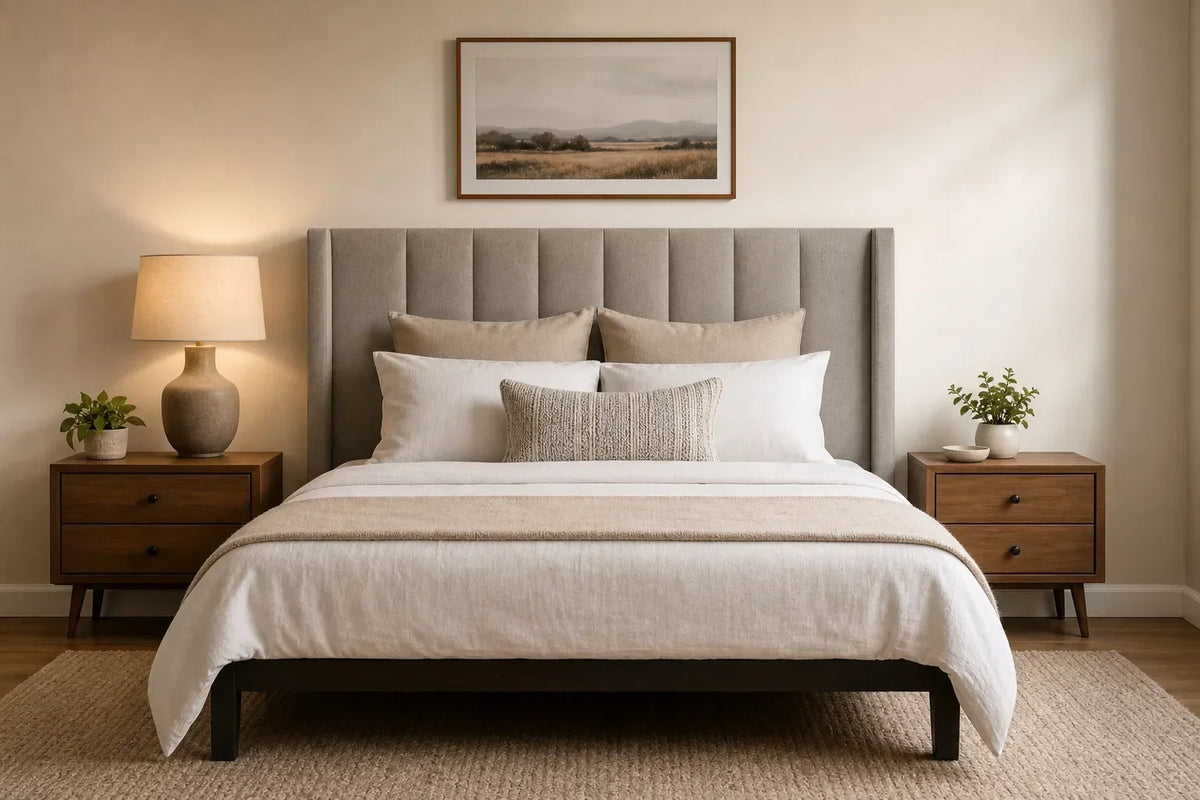
- Move heavy throws and decorative pillows off the sleep surface
- Choose loose sleepwear appropriate for the conditions
- Keep the mattress surface clear during the day
- Review window security before leaving anything open overnight
Avoid promises that one fabric or fan setup improves sleep quality for everyone. The immediate goal is simply a bedroom that feels less hot and stagnant.
What the mattress contributes
Mattress feel comes from the cover, quilting, comfort layers and support core together. Deep contouring can feel warmer to some people because more of the body contacts the surface, while a more open or buoyant feel may allow more air around the sleeper.
Cooling-gel foam, phase-change covers and breathable fibres are product features, not substitutes for room cooling. Ask what the supplier actually states and avoid interpreting a cool first touch as an all-night test.
A protector also changes the surface. Compare its fabric, waterproof layer and care instructions; a protector is important for mattress care even when another material initially feels cooler.
Memory Foam vs Hybrid vs Innerspring explains construction types. Seasonal Changes and Mattress Comfort covers why the same bed can feel different across the year.
How to compare cooling claims
An infrared thermometer reads surface temperature, not personal comfort or sleep quality. Report the observations plainly, including any result that shows little difference.
Bedroom setup beyond the mattress
Leave space around vents and heat-pump airflow paths. Move the bed away from a wall that receives intense late-day sun if the room layout allows.
Choose a frame that provides the mattress support required by its manufacturer. Air space beneath a bed may help the area feel less enclosed, but do not make a mould-prevention or cooling guarantee from frame style alone.
Light-coloured window coverings can reduce glare and solar gain when designed for that use. Use the product instructions and consider privacy, fire safety and secure mounting.
Keep a small route from the bed to the door clear in a dark room. Temporary fan stands, extension cords and open windows should not create a new trip or security problem.
When mechanical cooling is worth considering
If the room remains uncomfortably hot despite shading and airflow, ask a qualified HVAC professional about suitable options. A heat pump, window unit or portable unit needs correct sizing, installation, drainage and electrical capacity.
Furniture Spot does not provide HVAC advice, and a mattress should not be presented as an alternative to room cooling. Follow manufacturer instructions and applicable building or tenancy rules.
For renters, obtain any required permission before installing equipment or changing windows. For concerns about dangerous indoor heat, use current official guidance and speak with a health professional.
A simple hot-night checklist
- Shade the room before afternoon sun heats it
- Compare indoor and outdoor conditions before opening windows
- Create a safe airflow path
- Remove unnecessary bedding layers
- Turn off unused heat-producing electronics
- Keep fan cords and stands out of the walking route
- Review the mattress protector and bedding fabrics
- Ask a professional when room cooling is inadequate
FAQ
How can I sleep without AC?
Reduce daytime solar heat, move cooler air through the room when conditions allow and use lighter bedding. A fan can support airflow when used safely.
Is memory foam too hot without air conditioning?
Some people find deeper-contouring foam warmer, but covers, layer design, room conditions and bedding also matter. Test the complete mattress rather than judging the material name alone.
Does cooling gel make a mattress cold?
No general claim fits every product. It may affect initial surface feel or heat movement, but check the supplier’s description and any controlled observations.
Should I buy a heat pump for a hot bedroom?
That is a building and HVAC decision. Ask a qualified professional about sizing, installation and the home’s requirements.