Choosing Sofa Fabric for Daily Wear
Sofa fabric plays a major role in how furniture looks, feels, and performs over time. While style and color often drive initial decisions, fabric choice has a direct impact on durability and long-term satisfaction. For households in Halifax and across Nova Scotia, choosing sofa fabric for daily wear means understanding how materials respond to real-life use, not just showroom conditions.
Fabric does not prevent wear. It manages how wear appears and progresses.
What Daily Wear Really Involves
Daily wear refers to repeated, routine use rather than unusual stress. This includes sitting, shifting position, contact with clothing, and exposure to everyday household conditions.
Daily wear typically involves:
-
Friction from regular sitting
-
Pressure on seat and arm areas
-
Body oils and moisture transfer
-
Consistent contact in the same spots
Fabric choice influences how visible these effects become over time.
Common Fabric Types and Performance
Different fabrics respond differently to daily use. No fabric is immune to wear, but performance varies based on construction and fiber type.
General performance considerations include:
-
Tighter weaves resisting abrasion better
-
Thicker fabrics showing wear more gradually
-
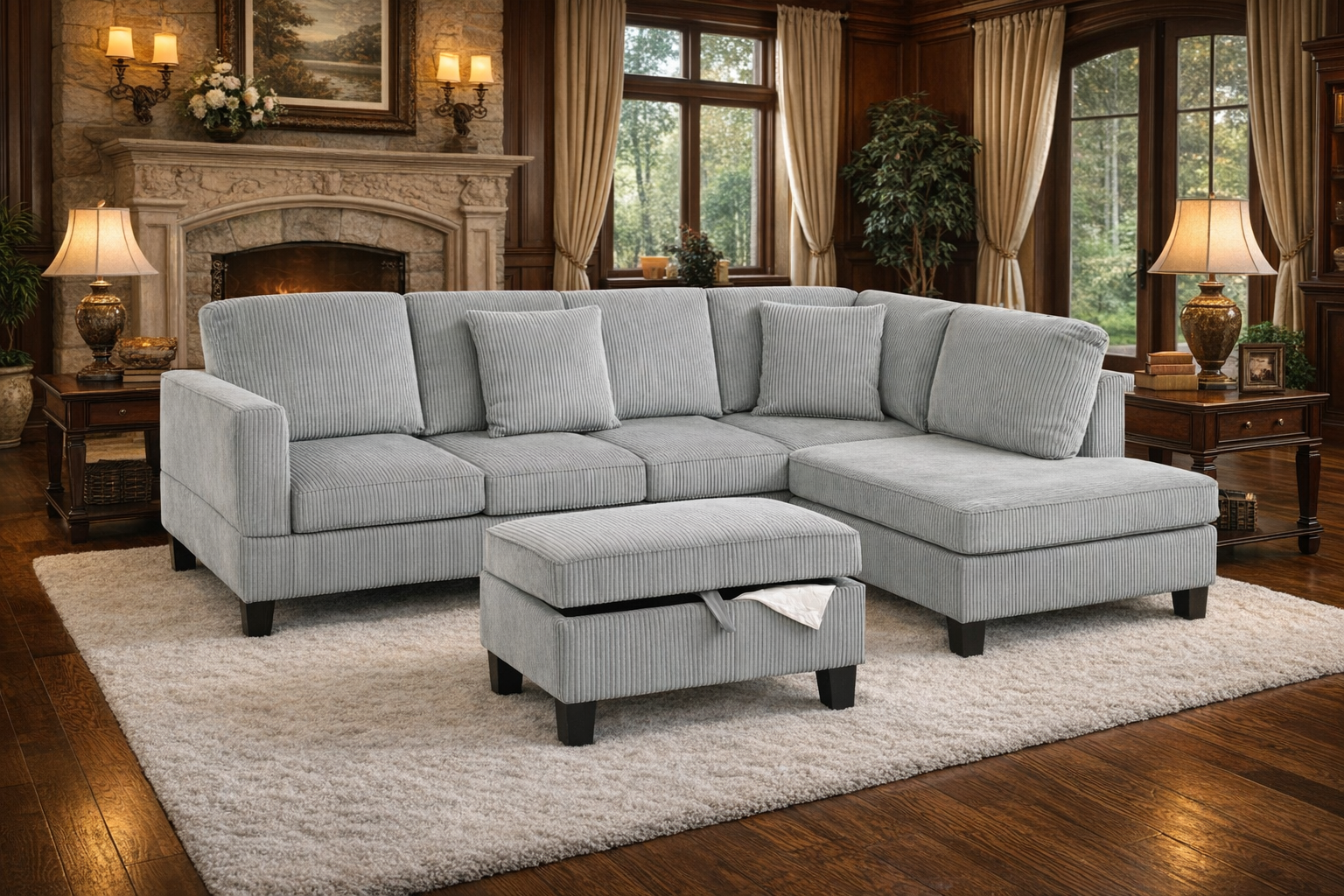
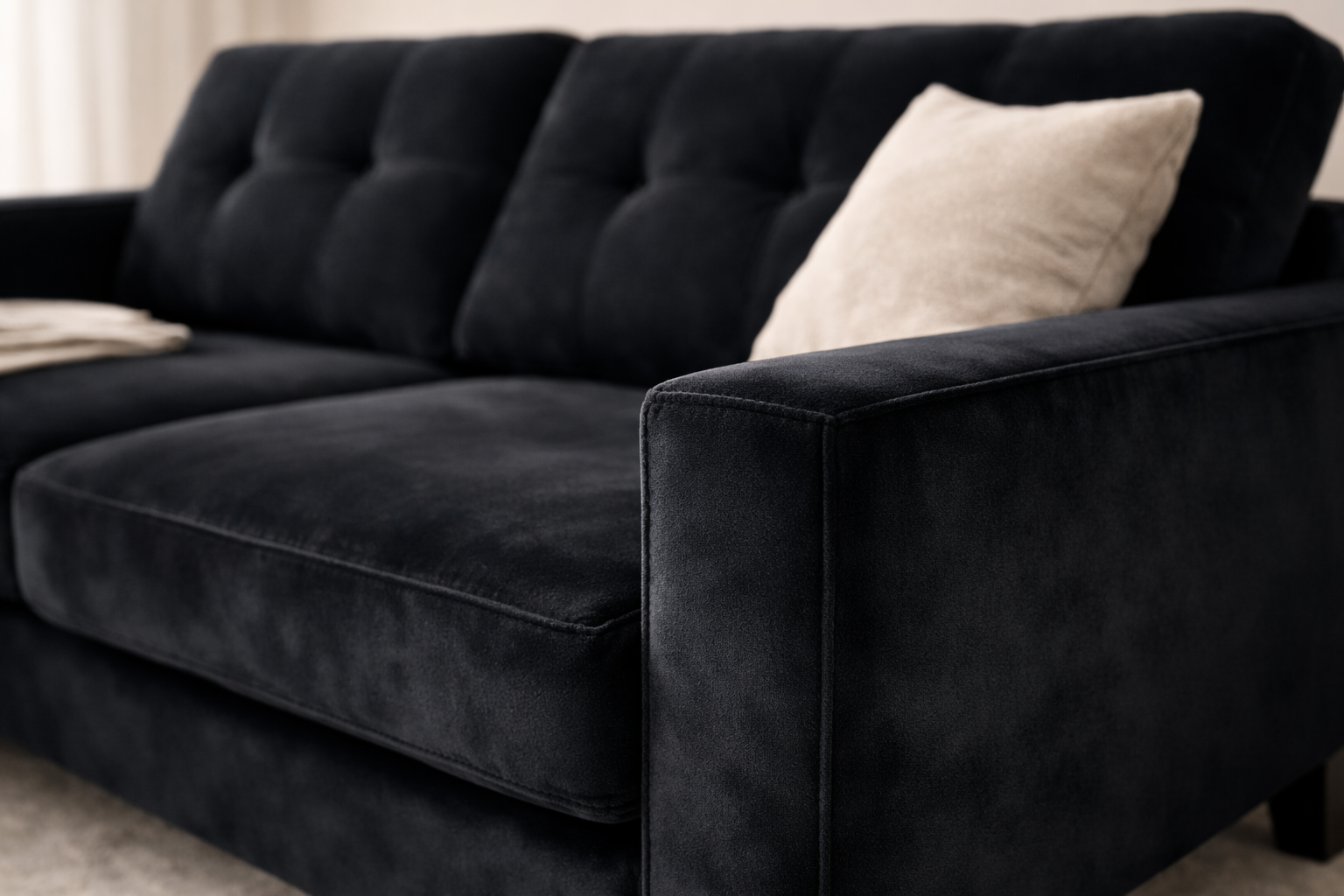
Softer fabrics showing texture changes sooner
-
Smooth surfaces revealing pressure marks more easily
Performance is about balance between comfort, appearance, and durability.
Texture Changes Over Time
Fabric texture often changes before structural wear occurs. This is a normal response to friction and pressure.
Typical texture changes include:
-
Flattening of raised fibers
-
Slight sheen developing in high-use areas
-
Softening where contact is frequent
These changes reflect use patterns rather than fabric failure.
Color and Visibility of Wear
Color choice affects how wear is perceived. Lighter colors may show discoloration sooner, while darker tones may highlight lint or dust.
Patterned fabrics often:
-
Disguise minor wear better
-
Make texture changes less noticeable
-
Reduce the visual impact of daily use
This does not change durability, but it influences appearance over time.
Household Use and Fabric Stress
Daily wear varies by household. Homes with children, pets, or extended sitting periods place more consistent demand on fabric.
Factors that increase fabric stress include:
-
Frequent use of the same seating area
-
Sitting on arms or edges
-
Rough clothing materials
-
Lack of cushion rotation
Understanding these habits helps match fabric choice to lifestyle.
Fabric Performance in Halifax Homes
In Halifax and throughout Nova Scotia, seasonal changes affect indoor conditions. Humidity and temperature shifts can influence how fabrics feel and how quickly they show wear.
Heavier indoor use during colder months often makes fabric changes more noticeable over time.
Setting Realistic Expectations
Even durable fabrics will show signs of daily use. Fabric choice does not eliminate wear, but it influences how evenly and visibly it develops.
Understanding that wear is gradual and unavoidable helps homeowners choose fabrics that age in a way they find acceptable rather than expecting unchanged appearance.
Conclusion: Fabric Choice Shapes Long-Term Experience
Choosing sofa fabric for daily wear is about aligning material performance with household habits. Durable fabrics manage friction, pressure, and repeated use more predictably, while softer fabrics may prioritize comfort over longevity.
By understanding how fabrics respond to everyday use, homeowners can make informed choices that support realistic expectations and long-term satisfaction.
Store Information
Furniture Spot & Mattress Outlet
3606 Strawberry Hill St, Halifax, NS B3L 3B4
(902) 406-3939