Cushion Shape Retention Over Time
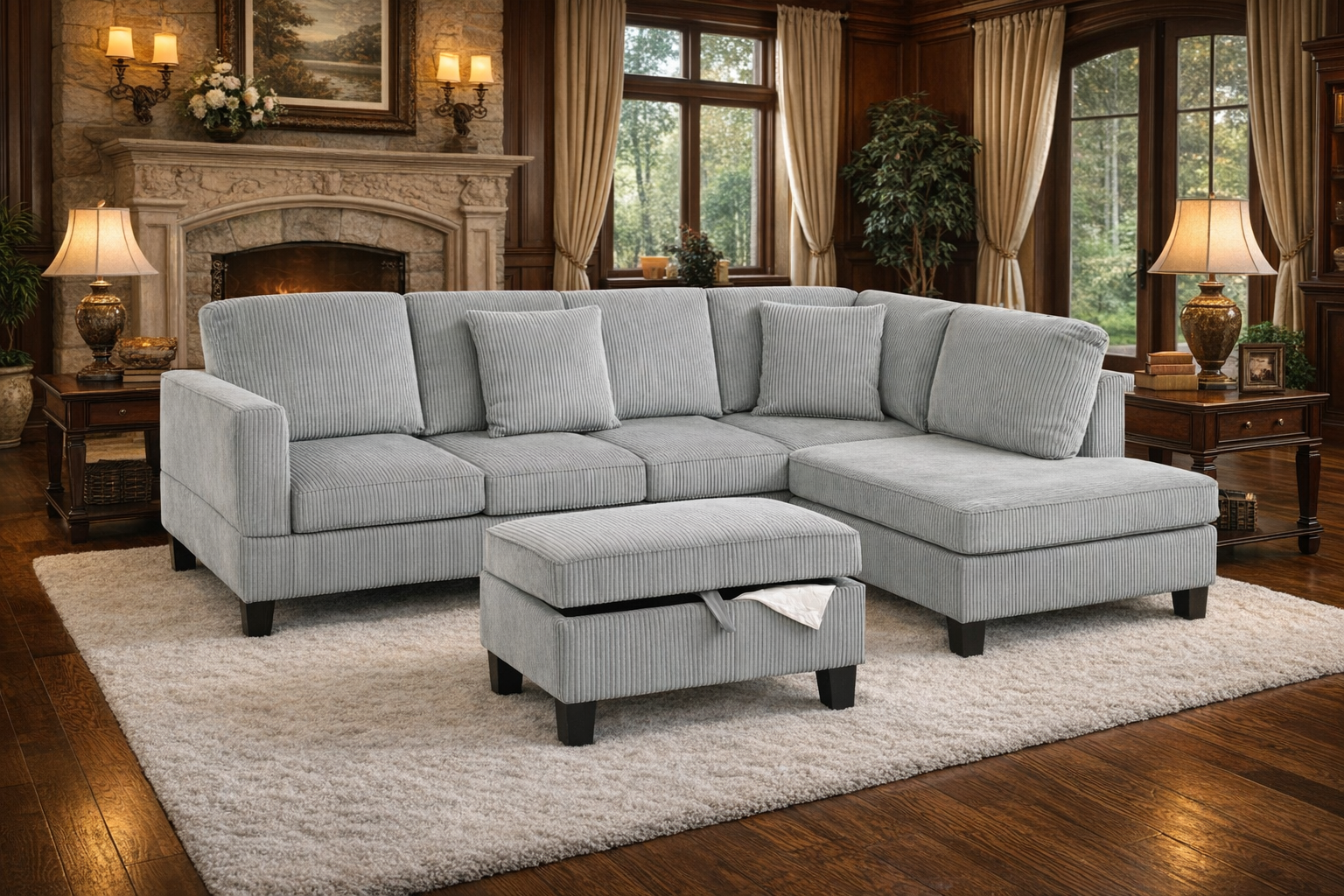
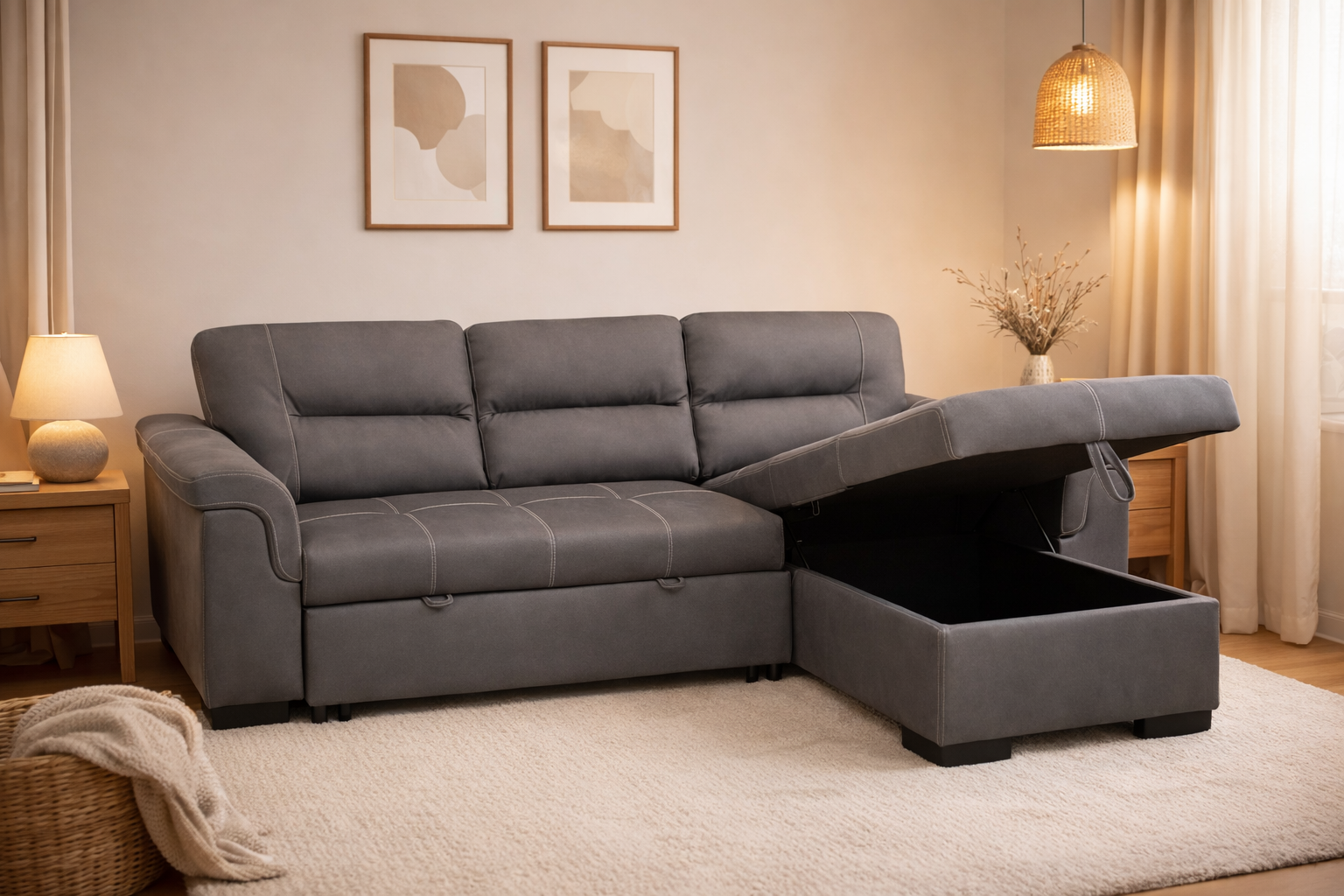
Cushion shape plays a major role in how furniture looks and feels, especially in seating used every day. Over time, many homeowners notice cushions looking less crisp or feeling different than when they were new. For households in Halifax and across Nova Scotia, understanding how cushion shape retention works helps set realistic expectations and reduces concern about normal changes.
Cushions are designed to adapt, not remain perfectly unchanged.
What Cushion Shape Retention Means
Cushion shape retention refers to how well a cushion maintains its original form as it is used. This includes how quickly it compresses, how evenly it responds to weight, and how well it recovers after pressure is removed.
Shape retention is influenced by:
-
Cushion fill material
-
Density and structure
-
Frequency and duration of use
-
How weight is distributed during sitting
All cushions experience some level of change with regular use.
Why Cushions Change Shape Over Time
When a cushion is used repeatedly, materials inside respond to pressure and movement. Foam compresses slightly, fibers shift, and padding settles.
These changes may include:
-
Softening in frequently used areas
-
Slower rebound after sitting
-
Subtle flattening at the center
-
Edges appearing less defined
These shifts are gradual and expected, not sudden failures.
Everyday Use and Uneven Wear
Cushions rarely wear evenly because people tend to sit in the same spots. This creates concentrated pressure in specific areas.
Common usage patterns include:
-
One seat used more than others
-
Sitting toward the front edge
-
Leaning consistently to one side
Over time, this leads to visible differences in shape between cushions or seating positions.
Normal Shape Changes Versus Problems
Not all shape changes indicate a problem. Some loss of firmness or definition is part of normal cushion performance.
Normal changes include:
-
Mild flattening that improves with rotation
-
Cushions feeling more relaxed than new
-
Slight differences between frequently used and unused areas
Concerns may arise if a cushion no longer provides support or fails to recover at all.
Role of Cushion Rotation and Handling
Rotating and repositioning cushions helps distribute wear more evenly. While this does not prevent change entirely, it can slow the rate at which shape loss becomes noticeable.
Regular rotation encourages:
-
More even compression
-
Balanced use of materials
-
Consistent appearance across seating
These habits support longer-lasting shape retention.
Cushion Performance in Halifax Homes
In Halifax and throughout Nova Scotia, furniture often sees heavier indoor use during colder months. Longer sitting periods can make shape changes more noticeable during certain times of year.
Seasonal temperature changes may also affect how cushioning materials respond, temporarily altering firmness or rebound.
Setting Realistic Expectations
Cushions are designed for comfort and support, not permanent rigidity. Shape retention reflects a balance between softness and durability.
Understanding that cushions will adapt over time helps homeowners evaluate comfort changes realistically and avoid expecting furniture to remain exactly as it was on day one.
Conclusion: Shape Changes Are Part of Normal Use
Cushion shape retention changes gradually as furniture is used. Softening, settling, and slight flattening are normal responses to everyday sitting.
By understanding how cushions work, how use patterns affect shape, and what changes are expected, homeowners can better appreciate long-term comfort and make informed decisions about furniture care and use.
Store Information
Furniture Spot & Mattress Outlet
3606 Strawberry Hill St, Halifax, NS B3L 3B4
(902) 406-3939