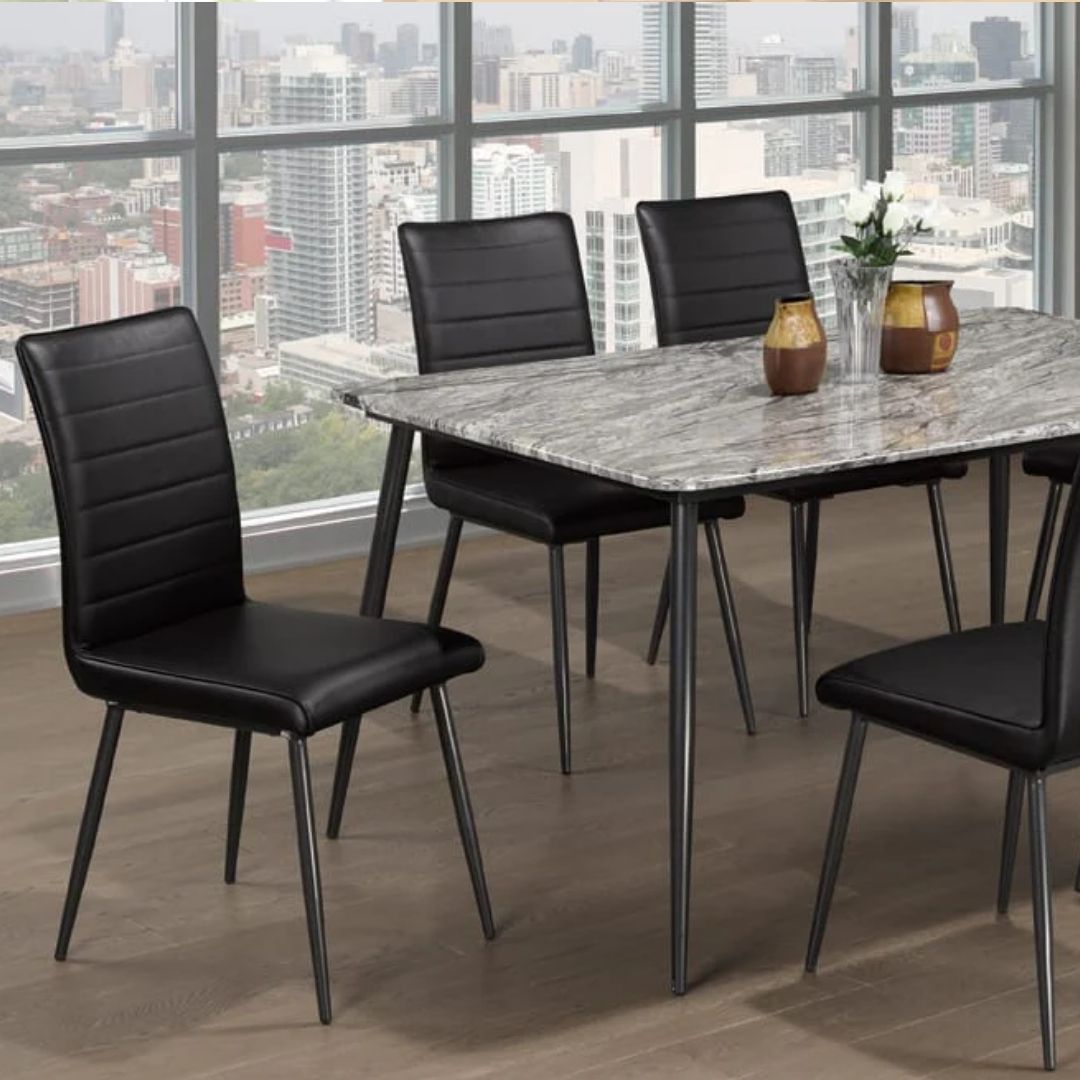
Everyday Comfort of Dining Chairs
Dining chairs are often used more than people expect. Beyond meals, they support work-from-home tasks, homework, conversations, and extended gatherings. For households in Halifax and across Nova Scotia, understanding the everyday comfort of dining chairs helps set realistic expectations about support, durability, and long-term use.
Dining chairs are designed for balanced support, not all-day lounging.
What Everyday Comfort Means for Dining Chairs
Everyday comfort refers to how a dining chair feels during typical daily activities. This includes sitting for meals, short work sessions, or extended conversations.
Comfort is influenced by:
-
Seat height and depth
-
Backrest shape and angle
-
Cushioning or lack of padding
-
Stability and leg placement
Dining chairs aim to support upright posture rather than relaxed reclining.
How Seating Design Affects Comfort
Dining chairs are built to encourage a neutral, upright sitting position. This supports posture during meals but can feel less forgiving during long sitting periods.
Common comfort characteristics include:
-
Firmer seating surfaces
-
Straighter backs compared to sofas
-
Limited cushioning to maintain posture
-
Even weight distribution across the seat
These design choices support function but come with comfort trade-offs.
Cushioning and Support Over Time
When dining chairs include padded seats, cushioning will change gradually with use. Repeated sitting compresses padding and alters how support feels.
Normal changes may include:
-
Slight softening of seat padding
-
Reduced cushion rebound
-
More noticeable firmness over time
These changes reflect everyday use rather than defects.
Back Support During Extended Sitting
Back support in dining chairs is intended for upright positioning. Extended sitting may highlight limitations, especially for tasks like working or studying.
Common experiences include:
-
Increased need to shift position
-
Desire for additional back support
-
Muscle fatigue during longer sessions
These effects are normal given the intended use of dining seating.
Everyday Use in Halifax Homes
In Halifax homes, dining chairs often see heavier use during colder months when more time is spent indoors. This can make comfort changes more noticeable and accelerate normal wear patterns.
Seasonal use does not indicate poor construction. It reflects lifestyle and environment.
Setting Realistic Expectations
Dining chairs are not designed to replace lounge seating. Comfort is meant to support meals and short periods of sitting rather than prolonged relaxation.
Understanding this helps homeowners:
-
Choose appropriate seating for tasks
-
Recognize normal comfort limits
-
Avoid expecting sofa-like comfort from dining furniture
Conclusion: Comfort Matched to Purpose
Everyday comfort of dining chairs depends on how well their design matches their intended use. Upright support, firmness, and stability are priorities, while extended comfort is secondary.
By understanding how dining chairs are built, how comfort changes over time, and how everyday habits influence seating experience, homeowners can set realistic expectations and use dining furniture more effectively.
Store Information
Furniture Spot & Mattress Outlet
3606 Strawberry Hill St, Halifax, NS B3L 3B4
(902) 406-3939