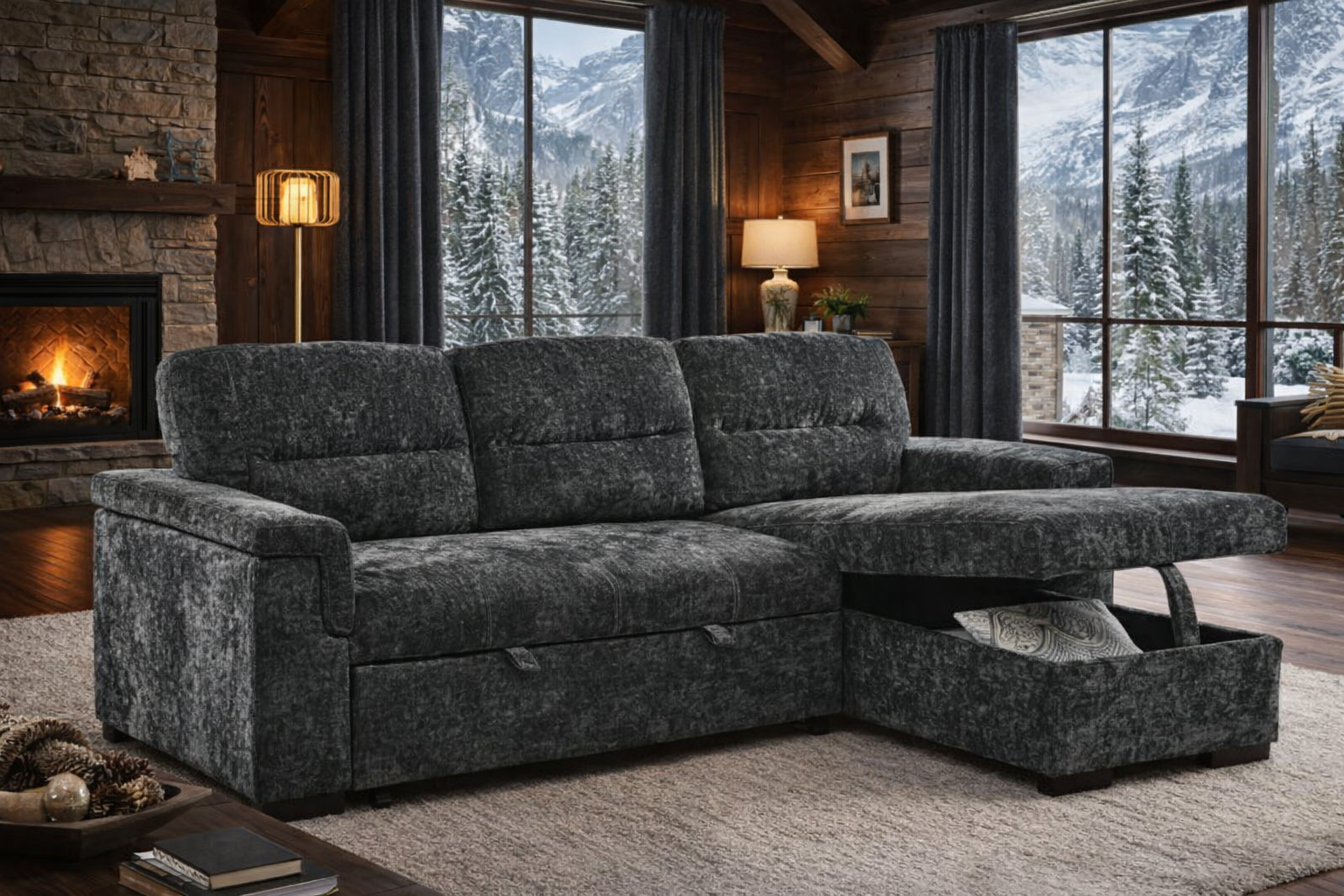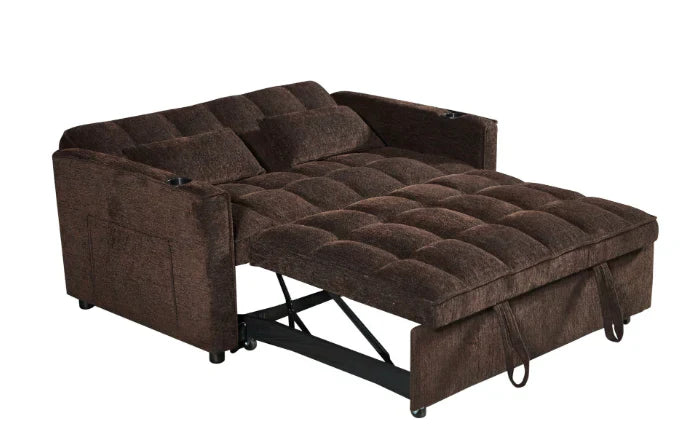
Structural Causes of Sofa Noise
Hearing a creak, pop, or squeak when sitting on a sofa can be concerning. Many people worry that noise means something is broken or failing. In reality, sofa noise is often related to normal structural movement rather than damage. For households in Halifax and across Nova Scotia, understanding the structural causes of sofa noise helps set realistic expectations and reduces unnecessary concern.
Noise is usually a sign of movement, not immediate failure.
How Sofa Structures Are Built
Sofas are made from multiple components that work together under load. These include the frame, joints, fasteners, springs, and support systems. When weight is applied, these components flex slightly to absorb pressure.
Small amounts of movement are normal and expected, especially as materials adapt to everyday use.
Common Structural Sources of Noise
Sofa noise often comes from parts interacting rather than breaking.
Typical sources include:
-
Frame joints shifting under weight
-
Fasteners rubbing as pressure changes
-
Springs or support systems adjusting
-
Wood components expanding or contracting slightly
These sounds may occur only when sitting down, standing up, or shifting position.
Normal Movement Versus Structural Problems
Not all noise indicates a problem. Many sofas make occasional sounds without affecting comfort or stability.
Normal noise characteristics include:
-
Sounds that occur only under movement
-
No visible separation or sagging
-
No change in seating support
Structural concerns may be present if noise is accompanied by instability, uneven seating, or sudden changes in support.
How Everyday Use Contributes to Noise
As sofas are used, materials gradually settle and adapt. Cushions compress, frames experience repeated loading, and joints adjust to movement patterns.
This process can:
-
Introduce new sounds over time
-
Change when or where noise occurs
-
Make sounds more noticeable in quiet rooms
These changes often reflect normal wear rather than damage.
Flooring and Environment Factors
Floor conditions play a significant role in sofa noise. Uneven floors can cause slight rocking, increasing stress at specific joints.
In Halifax homes, older flooring or seasonal changes can contribute to:
-
Increased movement at contact points
-
Noise that varies by season
-
Sounds that disappear when furniture is repositioned
Temperature and humidity changes can also affect how materials respond.
When Noise May Indicate an Issue
While most sofa noise is harmless, certain signs may warrant attention.
Potential concerns include:
-
Noise accompanied by visible frame movement
-
Sudden, loud cracking sounds
-
Progressive increase in noise with reduced support
-
Uneven seating that worsens over time
These situations differ from normal structural sounds.
Conclusion: Noise Often Reflects Normal Use
Structural causes of sofa noise are usually tied to normal movement, material adjustment, and everyday use. Occasional creaks or pops are common and do not automatically indicate a problem.
By understanding how sofas are built and how they respond to daily life, homeowners can better judge when noise is expected and when further evaluation may be appropriate.
Store Information
Furniture Spot & Mattress Outlet
3606 Strawberry Hill St, Halifax, NS B3L 3B4
(902) 406-3939