Weight Distribution Effects on Furniture Longevity
Furniture longevity is often blamed on materials or build quality, but daily use patterns play an equally important role. One of the biggest factors affecting how long furniture lasts is how weight is distributed during regular use.
Uneven weight distribution accelerates wear in specific areas and changes comfort faster than many people expect.
At Furniture Spot & Mattress Outlet in Halifax, many durability concerns trace back to predictable weight patterns rather than defects.
Understanding how weight distribution affects furniture helps explain why some pieces wear unevenly over time.
What Weight Distribution Means in Daily Use
Weight distribution refers to how pressure is applied across furniture surfaces.
In real homes, weight is rarely spread evenly. Instead, it concentrates in:
-
Favorite seating spots
-
Entry and exit points
-
Edges and corners
-
Areas closest to walkways
These patterns form quickly and repeat daily.
Why Uneven Weight Causes Faster Wear
Furniture is designed to support weight across a broad surface.
When weight concentrates in one area:
-
Materials compress more deeply
-
Support components fatigue faster
-
Recovery time is reduced
-
Wear becomes localized
Over time, these areas feel different than the rest of the piece.
Seating Furniture Is Most Affected
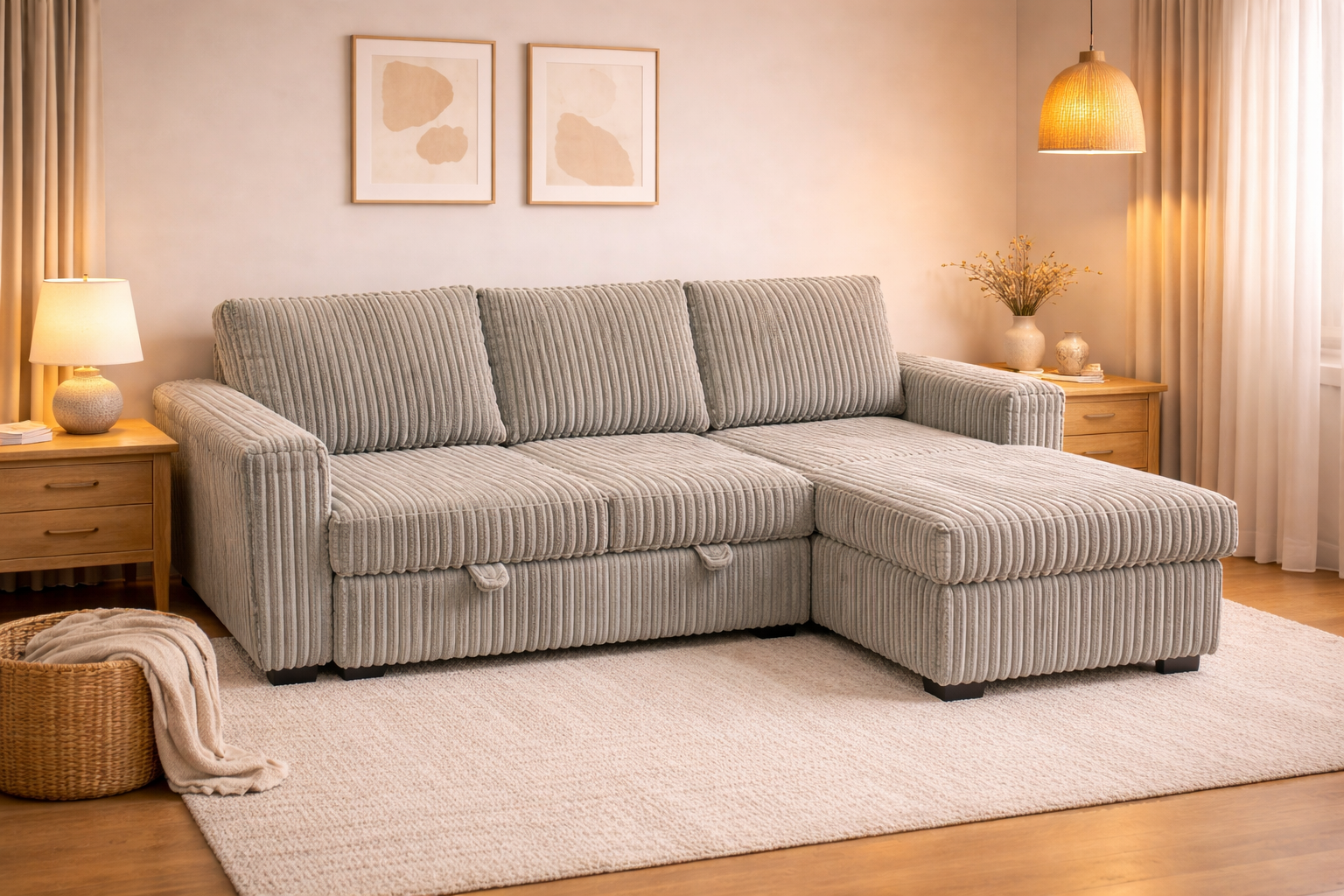
Sofas and chairs show weight distribution effects clearly.
Common examples include:
-
One seat softening faster
-
Armrests losing shape
-
Front edges compressing
-
Cushions feeling uneven
These changes reflect use patterns, not poor construction.
Edges and Corners Bear Extra Stress
Edges are structural transition points.
They experience:
-
Sitting and standing pressure
-
Leaning weight
-
Concentrated loading
-
Repeated movement stress
Because edges support less surface area, they wear faster than centers.
Body Weight and Sitting Style Matter
How a person sits affects longevity.
Factors include:
-
Sitting upright versus lounging
-
Using armrests for support
-
Sitting in the same position daily
-
Placing feet or elbows on furniture
Consistent habits create consistent wear zones.
Tables and Case Goods Also Show Effects
Weight distribution affects more than seating.
Examples include:
-
Table edges bearing leaning pressure
-
Drawer fronts supporting body weight
-
Shelves sagging under uneven loads
-
Cabinet hinges carrying shifting stress
Furniture is rarely used exactly as designed.
Halifax Insight: Smaller Rooms Concentrate Use
In many Halifax homes:
-
Rooms are narrower
-
Furniture sits closer together
-
Pathways guide movement predictably
This concentrates weight in specific locations, increasing uneven wear.
Why Uneven Wear Is Not a Warranty Issue
Warranties cover manufacturing defects, not usage patterns.
Uneven wear caused by weight distribution is considered:
-
Normal household use
-
Lifestyle related stress
-
Expected aging behavior
Longevity is affected by how furniture is used, not just how it is built.
Early Signs of Weight Distribution Wear
Common early indicators include:
-
One cushion softening faster
-
Slight frame noise in one area
-
Visible compression lines
-
Uneven comfort feel
These signs usually appear gradually.
Can Weight Distribution Be Managed
Wear cannot be eliminated, but it can be managed.
Helpful habits include:
-
Rotating cushions
-
Changing seating positions
-
Avoiding constant edge sitting
-
Using furniture evenly when possible
-
Ensuring proper floor support
Small changes help balance wear.
Furniture Design Influences Distribution
Some designs handle weight better than others.
Features that help include:
-
Reinforced frames
-
Higher density cushions
-
Wider seating surfaces
-
Strong center support
Design choices matter more than appearance alone.
Long Term Effects on Comfort and Appearance
Over time, uneven weight distribution leads to:
-
Comfort imbalance
-
Visual unevenness
-
Reduced seating satisfaction
Furniture often reaches comfort limits before structural failure.
Setting Realistic Longevity Expectations
All furniture will show wear patterns.
Longevity depends on:
-
How often it is used
-
Where weight is applied
-
Household habits
-
Maintenance practices
Even high quality furniture responds to daily life.
Final Advice From Halifax Furniture Experts
Weight distribution plays a major role in furniture longevity. Concentrated use leads to concentrated wear, regardless of brand or price point.
Understanding this helps homeowners manage expectations, care for furniture realistically, and make smarter choices based on how they actually live.
If you are noticing uneven wear and want help understanding whether it is normal or how to manage it going forward, we are always happy to help.
📍 Furniture Spot & Mattress Outlet
3606 Strawberry Hill St, Halifax, NS B3L 3B4
📞 Call Us at +(902)-406-3939
Learn more about furniture durability, usage guidance, and who we are here:
👉 furniture
👉 /pages/about-us