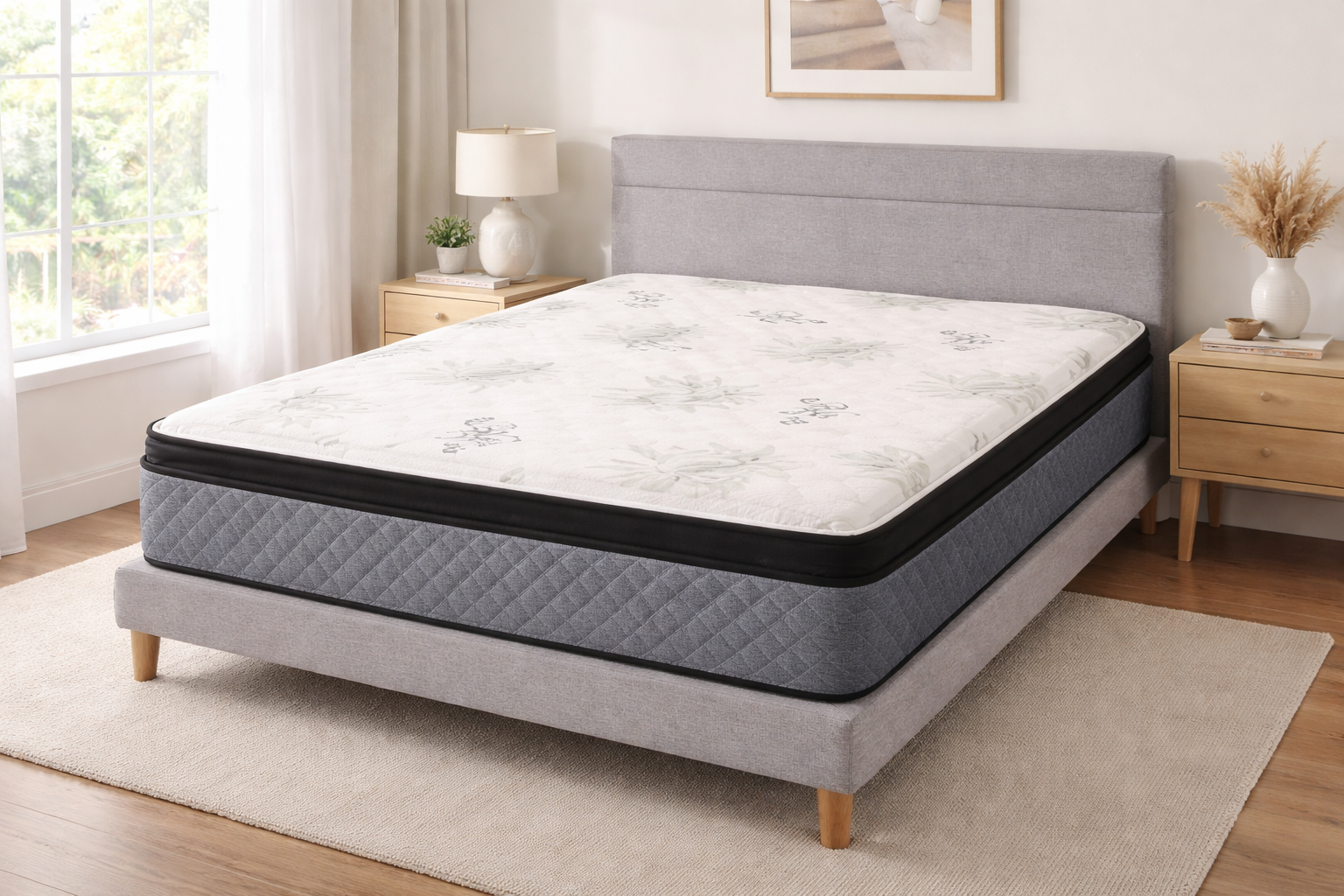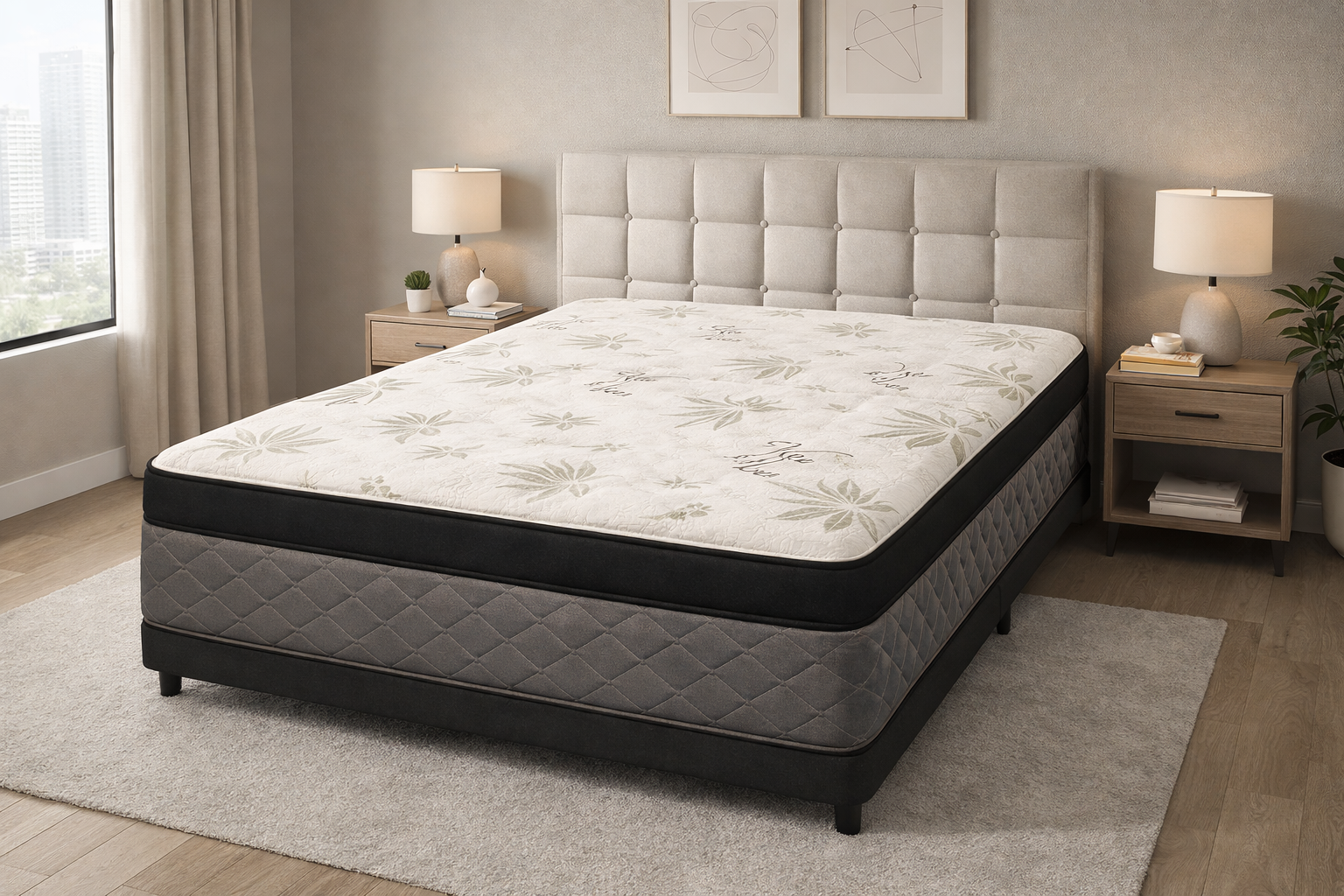
Who Benefits Most from Moderate-Comfort Mattresses
Mattress comfort is not one-size-fits-all. While some sleepers prefer very firm or very soft surfaces, many people find moderate-comfort mattresses provide the most consistent balance for everyday use. For sleepers in Halifax and across Nova Scotia, understanding who moderate-comfort mattresses work best for helps reduce trial-and-error and supports better long-term sleep decisions.
Moderate comfort is about balance rather than extremes.
What Moderate Comfort Actually Means
A moderate-comfort mattress sits between firm and plush. It provides noticeable cushioning while still offering stable support underneath.
Moderate comfort typically offers:
-
Enough softness to reduce pressure
-
Sufficient support to maintain alignment
-
A balanced feel that adapts to movement
-
Less extreme response to body weight changes
This middle-ground design works across a wider range of sleepers than more specialized comfort levels.
Sleep Positions That Benefit Most
Moderate-comfort mattresses often suit people who change positions during the night.
They are commonly comfortable for:
-
Back sleepers who need support with light cushioning
-
Combination sleepers who rotate positions
-
Side sleepers who want pressure relief without excessive sink
-
Couples with different comfort preferences
Because moderate comfort does not force the body into a single posture, it accommodates natural movement more easily.
Body Weight and Comfort Response
Body weight influences how a mattress feels. Moderate-comfort mattresses tend to respond well across a broad weight range.
Lighter sleepers often experience:
-
Enough surface cushioning without feeling unstable
Average-weight sleepers typically notice:
-
Balanced support and pressure relief
Heavier sleepers may find:
-
Consistent support without excessive firmness
No mattress feels identical to everyone, but moderate comfort offers fewer extremes.
Everyday Comfort Changes Over Time
Like all mattresses, moderate-comfort designs change gradually with use. Foams soften slightly, and comfort layers adapt to repeated pressure.
Normal changes include:
-
Slight surface softening
-
Improved pressure distribution
-
More familiar comfort feel
These adjustments are expected and usually occur without significant loss of support when the mattress is properly matched to the sleeper.
Lifestyle and Household Considerations
Moderate-comfort mattresses work well in shared households where sleepers have different needs. They also suit people whose bodies or sleep habits may change over time.
In Halifax homes, seasonal temperature changes can influence how mattresses feel. Moderate-comfort designs tend to show less dramatic comfort swings than very soft or very firm mattresses.
Setting Realistic Expectations
Moderate comfort does not mean perfect comfort for everyone. It means fewer trade-offs for most people.
Sleep quality is influenced by:
-
Pillow choice
-
Bed frame support
-
Sleep routines
-
Mattress age and wear
Understanding these factors helps sleepers evaluate comfort more accurately.
Conclusion: Balance Works for Many Sleepers
Moderate-comfort mattresses benefit sleepers who want adaptable support, pressure relief, and flexibility over time. They suit a wide range of sleep positions, body types, and household needs without relying on extreme firmness or softness.
By understanding who moderate comfort works best for and how comfort changes with everyday use, sleepers can make informed decisions that support consistent, realistic sleep comfort.
Store Information
Furniture Spot & Mattress Outlet
3606 Strawberry Hill St, Halifax, NS B3L 3B4
(902) 406-3939