Will a Mattress Topper Fix It, or Just Hide It?
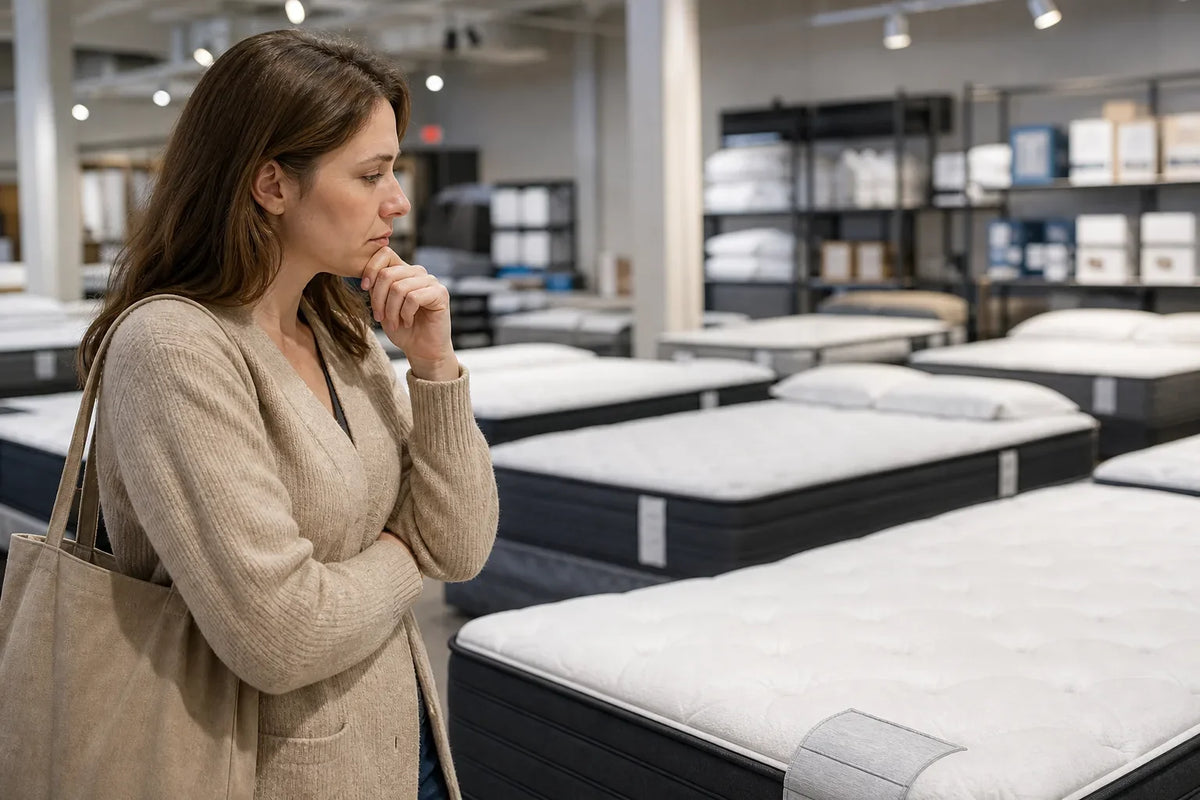
The most common thing people get wrong about toppers is treating them as a repair. A topper changes what the top two or three inches of your bed feel like. It cannot change what the twelve inches underneath are doing. Those are different problems with different answers, and confusing them costs you a few hundred dollars and another year of bad sleep.
Work through it in order.
Start here: is it feel, or is it support?
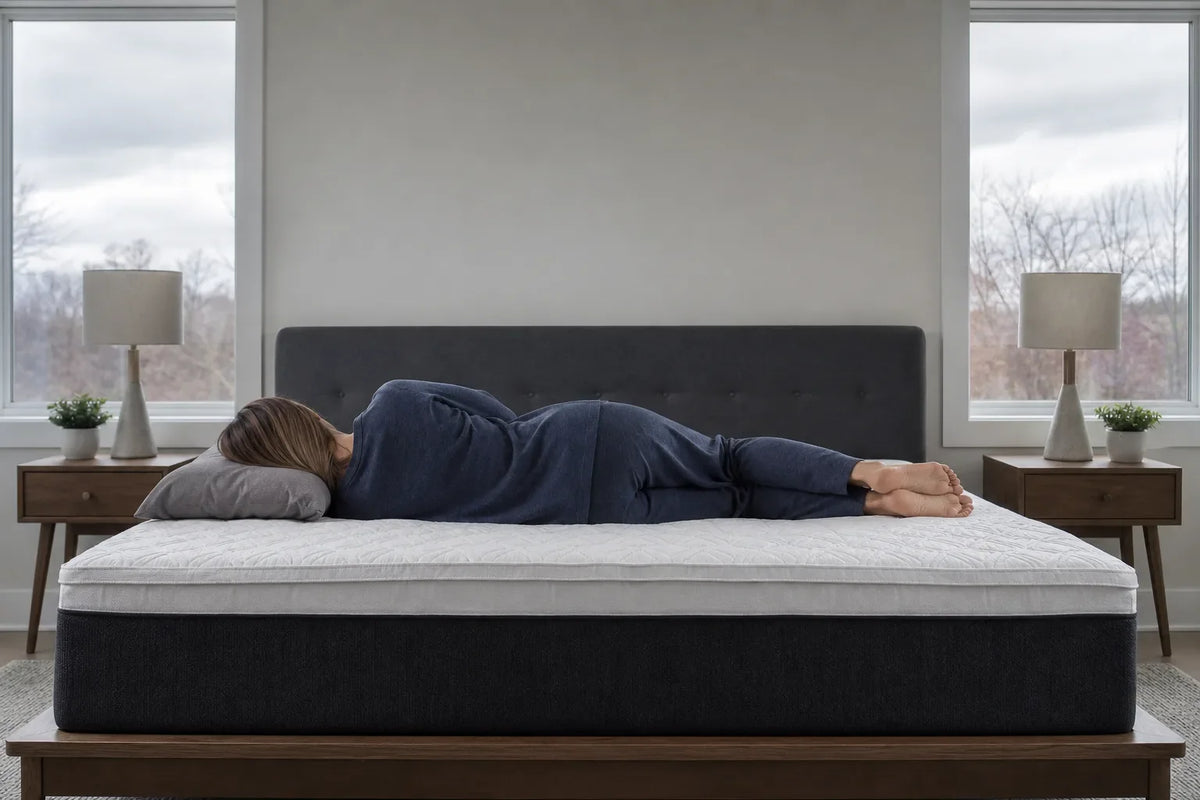
Lie on the mattress in your normal sleeping position and pay attention to where the discomfort is.
If your hips or shoulder feel pressure but your spine feels level, that is a surface problem. The mattress is holding you up correctly and the top layer is too firm for your body. A topper fixes this well. This is the single case where a topper is the right purchase.
If your hips sit lower than your shoulders and ribs, that is a support problem. The core of the mattress has lost the ability to hold your heaviest section. Adding softness on top makes the sag deeper and the morning worse. A topper here is not a fix, it is a delay, and you will still be replacing the mattress in a year with less money in your pocket.
The straightedge test settles it. Strip the bed, lay a broom handle or a level across the mattress from side to side, and look at the gap underneath at the centre. A visible gap means the mattress is done. No topper closes it.
If it is a feel problem, then what?
Decide direction first. Softer or firmer.
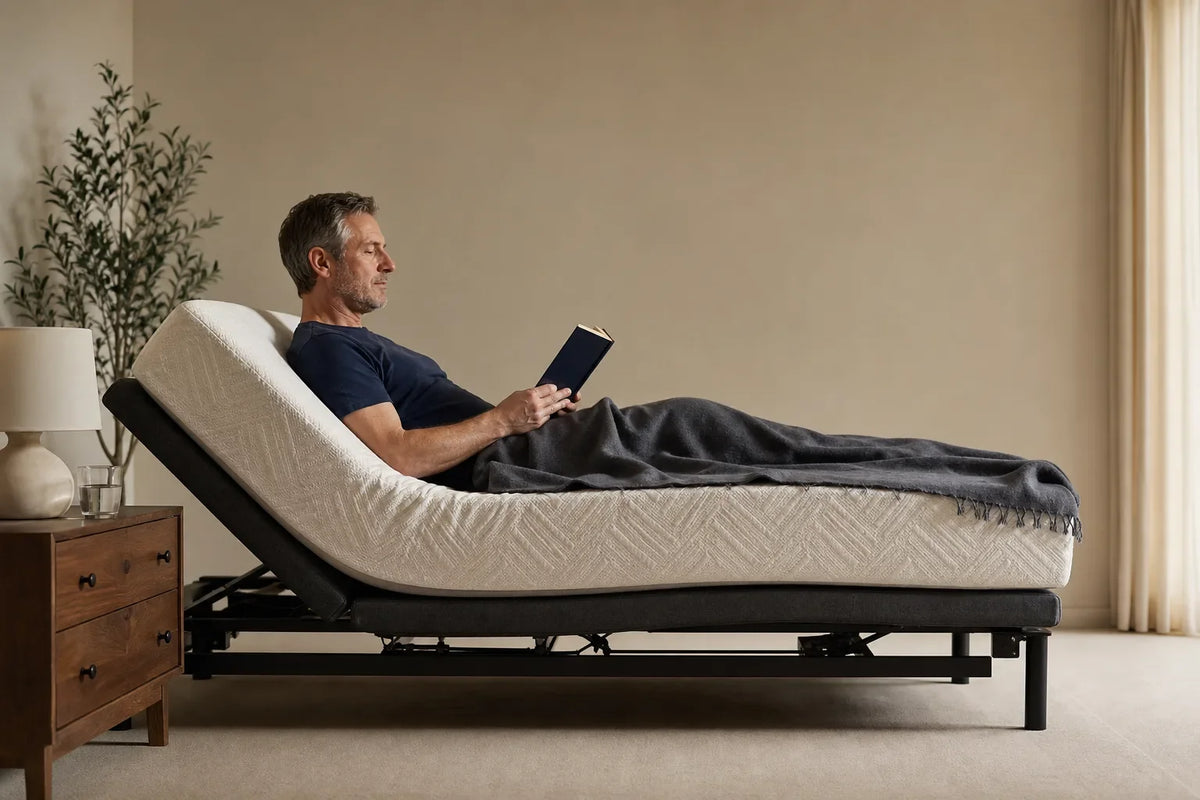
Going softer is the usual case, and memory foam or latex in a two to three inch thickness is the standard answer. Under two inches and you feel the mattress through it. Over four and you start losing the support you were relying on. Memory foam contours closely and retains heat; latex is springier and sleeps cooler, and costs more.
Going firmer is harder. Toppers are additive, and there is no such thing as adding firmness to a soft mattress in a meaningful way. A dense latex or a firm fibre topper will change the immediate surface, but a mattress that is too soft in its comfort layer will still let you sink at the hips. If firmness is what you are missing, the honest answer is usually a new mattress. Sometimes it is a plywood board under a failing foundation, which is a different problem entirely.
Two situations where a topper is genuinely the smart buy
A guest room mattress that gets used twenty or thirty nights a year does not justify replacement money. A topper on a mediocre guest mattress is the correct use of two hundred dollars.
A student in a furnished rental, or anyone with a mattress they did not choose and cannot replace, gets real value from a topper. It travels, it costs a fraction of a mattress, and it makes an unknown surface tolerable. Halifax has a lot of furnished units near the universities and a lot of people sleeping on whatever came with the lease.
Practical notes before you buy
Check your sheet depth. Adding three inches to a twelve inch mattress means your fitted sheets may no longer reach, and a sheet that pops off a corner at 3 a.m. will annoy you more than the original mattress did. Deep pocket sheets solve it.
Toppers slide. Anchoring straps or a fitted-style topper skirt are worth the small extra cost, particularly on a smooth mattress cover.
Memory foam is warmer than what it sits on. If heat is already part of why you sleep badly, a thick memory foam topper will make it worse, not better.
We do not stock toppers. If the straightedge test went badly, bring a photo of the gap in and we will talk about replacement instead.
mattress toppers. If the straightedge test told you the mattress is finished, read the three real factors that define mattress longevity before you shop for a replacement, and do guest rooms really need high-end mattresses if the bed in question is a spare.