Seat Width and Everyday Relaxation
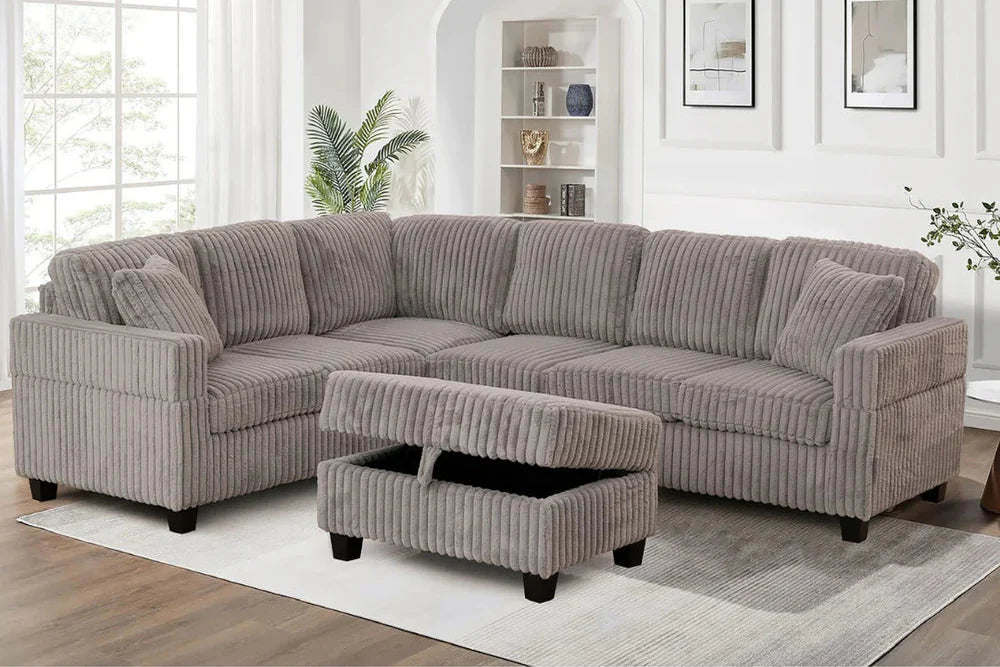
Seat width plays a quiet but important role in how comfortable furniture feels during everyday use. While many shoppers focus on style or overall size, the width of each seat directly affects posture, movement, and long-term comfort. For households in Halifax and across Nova Scotia, understanding seat width helps set realistic expectations for how sofas and sectionals perform in daily life.
Comfort is not about luxury or oversized proportions. It is about whether furniture supports how people actually sit, relax, and move throughout the day.
What Seat Width Really Means
Seat width refers to the horizontal space available for each person when seated. It determines how freely someone can sit upright, lean, shift position, or relax without feeling restricted.
Seat width influences:
-
How comfortably arms rest at the sides
-
Whether legs can shift naturally
-
How easy it is to sit close to others without crowding
-
Overall sense of personal space
A seat that feels fine during a short showroom visit may feel different after hours of regular use.
Seat Width and Real-World Comfort
In everyday settings, people rarely sit perfectly still. They lean, turn, stretch, and change posture throughout the day. Seat width affects how easily those movements happen without causing tension.
Narrower seats may:
-
Feel supportive for upright sitting
-
Limit relaxed lounging positions
-
Encourage more frequent position changes
Wider seats may:
-
Allow more flexibility in posture
-
Feel more relaxed for extended sitting
-
Require better cushion support to avoid sagging
Neither option is better by default. Comfort depends on how the furniture matches daily habits.
How Body Size and Seating Habits Matter
Seat width comfort varies depending on body type and how furniture is used. Some people prefer defined seating that keeps posture aligned, while others want space to shift and spread out.
Considerations include:
-
Whether seating is used mainly for upright sitting or lounging
-
If multiple people often share the same sofa
-
How often furniture is used for reading, watching television, or resting
-
The balance between support and freedom of movement
Understanding these habits helps prevent discomfort that develops gradually over time.
Normal Wear and Seat Width Changes
Seat width does not physically shrink, but how it feels can change as furniture is used. Cushions compress and soften with time, which can affect perceived space and support.
Common changes include:
-
Cushions settling and creating softer edges
-
Less resistance when sitting toward the sides
-
Increased need for repositioning to stay comfortable
These changes are normal and expected with regular use, especially in frequently used seating areas.
Seat Width in Halifax Homes
Homes in Halifax and throughout Nova Scotia often balance limited space with the need for comfort. Seat width should be evaluated alongside room layout, walking paths, and daily routines.
Furniture that feels oversized for a showroom may feel overwhelming in a smaller living space. Conversely, seating that looks compact may feel restrictive after months of everyday use. Taking room measurements and thinking about how furniture will actually be used helps avoid mismatched expectations.
Learning more about furniture construction and comfort considerations through resources like /pages/about-us can help shoppers make informed decisions based on real-life needs.
Practical Comfort Comes From Fit, Not Features
Seat width plays a key role in everyday relaxation, but comfort comes from how furniture fits the people using it and the space it occupies. There is no universal ideal width. What matters is whether seating supports natural movement, posture, and long-term use.
Pay attention to how seating feels during extended sitting, not just initial impressions. Understanding normal wear and realistic comfort changes leads to better choices and fewer surprises over time.
🏬 Store Information
Furniture Spot & Mattress Outlet
3606 Strawberry Hill St, Halifax, NS B3L 3B4
Phone: (902) 406-3939