TV Stand Weight Limits Explained
TV stand weight limits are often mentioned but rarely explained in practical terms. In real homes across Halifax and Nova Scotia, a TV stand usually supports more than just a television. Understanding what weight limits mean helps prevent gradual damage and sets realistic expectations for long-term furniture use.
What a TV Stand Weight Limit Really Means
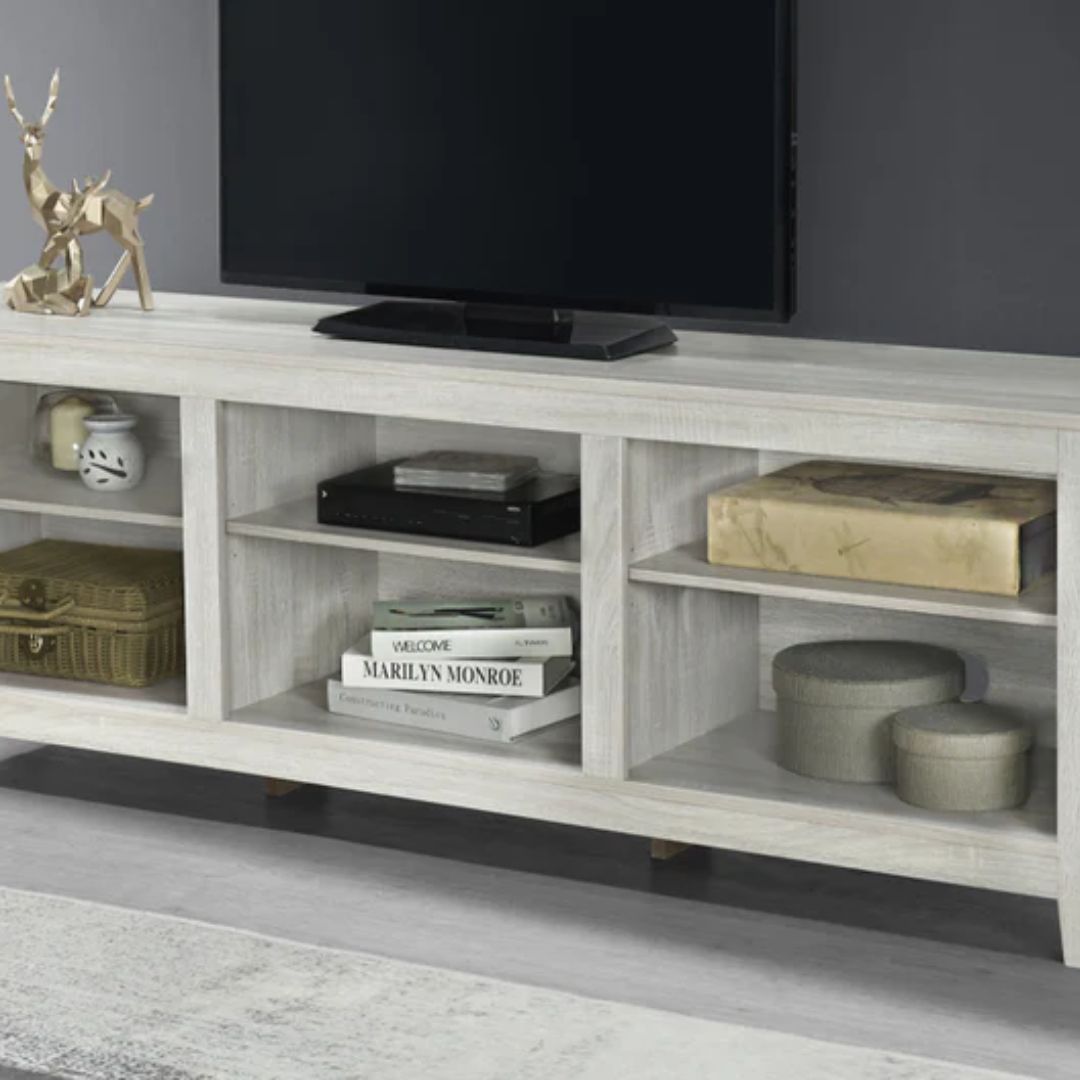
A TV stand weight limit represents the maximum load the furniture is designed to support during normal, everyday use. This includes the television and anything placed on top of or inside the stand.
Weight limits are based on:
-
The strength of materials used
-
How joints are constructed
-
Leg placement and spacing
-
Even distribution of weight across the surface
These limits assume the furniture is placed on a level surface and used as intended.
Why Real-World Use Often Exceeds Expectations
Modern televisions may be lighter than older models, but additional items add weight quickly.
Common examples include:
-
Soundbars and speakers
-
Gaming consoles
-
Cable or streaming devices
-
Decorative items or storage baskets
Individually, these items may seem insignificant. Combined, they can push a TV stand closer to its structural limits over time.
Normal Wear From Excess Weight
Exceeding weight limits does not usually cause sudden failure. Instead, it contributes to gradual wear.
Typical signs include:
-
Shelves slowly bowing
-
Joints loosening over time
-
Reduced overall stability
-
Uneven pressure on legs
These changes develop slowly and are often mistaken for manufacturing problems rather than usage-related stress.
Flooring and Placement Considerations
Many Halifax homes have older subfloors or slightly uneven surfaces. Even small variations can shift weight toward one side or corner of a TV stand. This increases stress on specific legs and joints, even if the total weight seems reasonable.
Placing furniture on a level surface helps weight distribute evenly and supports long-term stability.
Understanding Furniture Limits Before Problems Start
Learning how furniture is built and how load limits are determined can help homeowners avoid preventable issues. Educational resources such as the About Us page from Furniture Spot & Mattress Outlet explain how construction choices affect performance over time.
Conclusion: Practical Use Protects Furniture
TV stand weight limits are practical guidelines, not marketing claims. Staying within recommended limits and considering real-world use helps reduce wear, maintain stability, and extend the usable life of furniture.
Understanding how weight is distributed and how furniture responds over time leads to better long-term outcomes and fewer surprises.
Store Information
Furniture Spot & Mattress Outlet
3606 Strawberry Hill St, Halifax, NS B3L 3B4
(902) 406-3939