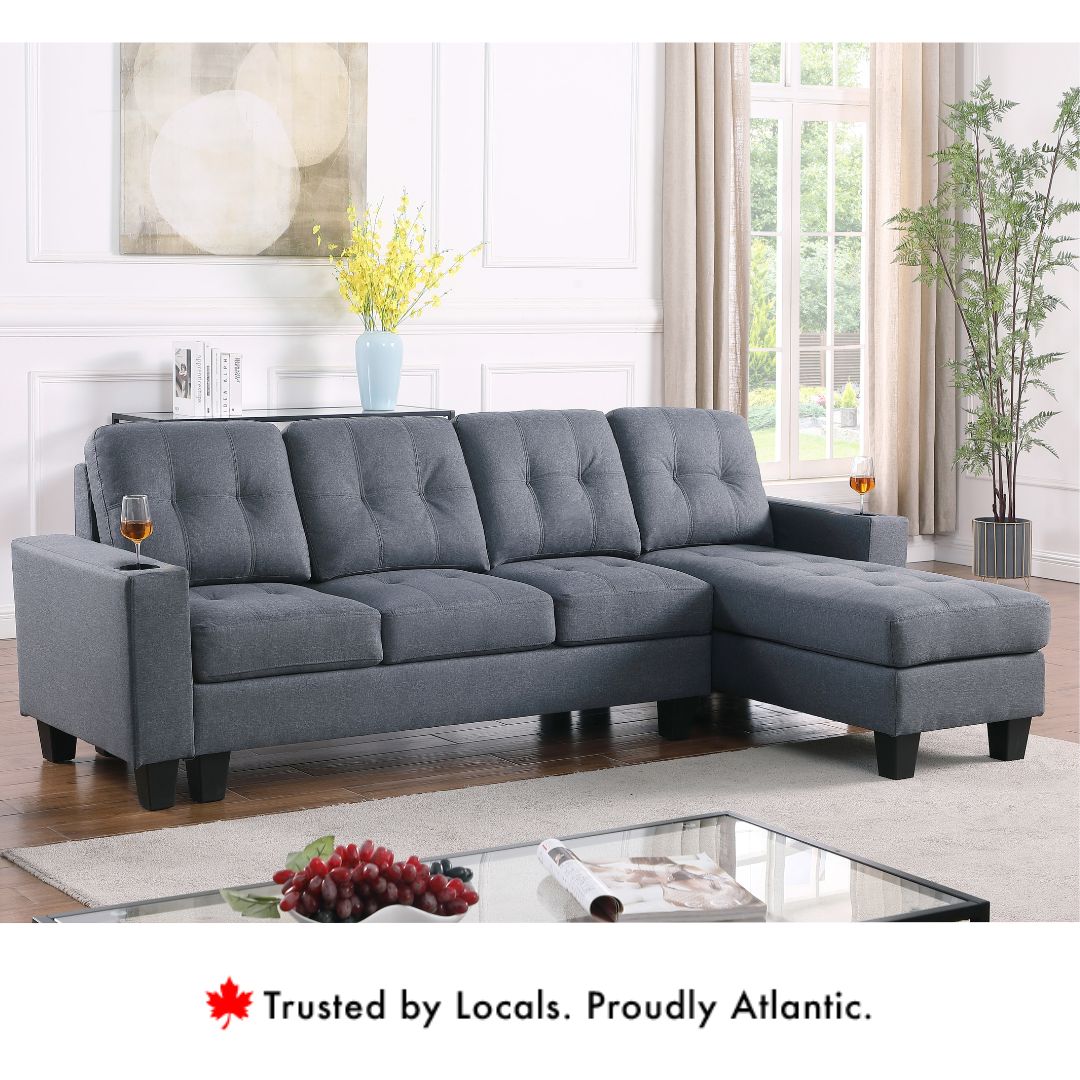
Sleeping Regularly on Sofas: Long-Term Effects
Sofas are designed for sitting and occasional lounging, but in some households they become a regular sleeping surface. Whether due to space limitations, work schedules, or lifestyle habits, sleeping on a sofa night after night raises important questions about comfort, support, and long-term effects. For homes in Halifax and across Nova Scotia, understanding what sofas are built to do helps set realistic expectations.
Sleeping occasionally on a sofa is very different from using it as a primary sleep surface.
How Sofas Are Designed to Support the Body
Sofas are constructed to support the body in a seated or reclined position. Their cushioning, frame structure, and proportions are not intended to maintain full-body alignment for extended horizontal sleep.
Key design differences include:
-
Shorter seat depth compared to mattress length
-
Cushions designed for sitting pressure, not full-body weight
-
Limited support for the neck, lower back, and hips when lying flat
-
Gaps or seams between cushions that disrupt even support
These factors become more noticeable with repeated overnight use.
Short-Term Comfort Versus Long-Term Effects
Sleeping on a sofa occasionally may feel manageable, especially if the cushions are soft or the sleeper is tired. Over time, however, the lack of consistent support can affect comfort and body alignment.
Possible long-term effects include:
-
Increased stiffness in the neck or lower back
-
Discomfort from uneven cushioning
-
Frequent repositioning during sleep
-
Reduced sleep quality due to partial awakenings
These effects tend to build gradually rather than appearing immediately.
Cushion Wear From Regular Sleeping
Sofas are not designed to handle full-body weight in the same way mattresses are. Sleeping regularly on the same area concentrates pressure on cushions and support components.
Over time, this may lead to:
-
Faster cushion compression
-
Loss of shape or resilience
-
Uneven seating surfaces
-
Reduced comfort for regular sitting use
This type of wear reflects usage beyond typical sofa design expectations.
Body Alignment and Support Considerations
Proper sleep support relies on keeping the spine in a neutral position. Sofas often encourage curled or angled sleeping positions due to their shape and arm placement.
Without consistent support:
-
Pressure can build in the shoulders and hips
-
The lower back may lack adequate support
-
Sleep posture may remain compromised for long periods
These factors can affect how rested a person feels over time.
Lifestyle and Space Factors in Halifax Homes
In some Halifax homes, limited space or shared living arrangements make sofas a temporary sleeping solution. While understandable, it is important to recognize the trade-offs involved.
Using pillows or rotating sleeping positions may help short-term comfort, but these adjustments do not fully address the structural limitations of sofas as sleep surfaces.
Setting Realistic Expectations
Sofas are durable seating pieces, not long-term sleep solutions. Sleeping on a sofa regularly can affect both personal comfort and the lifespan of the furniture.
Understanding what sofas are designed for helps homeowners make informed decisions about sleep arrangements and furniture use.
Conclusion: Occasional Use Versus Regular Habit
Sleeping on a sofa from time to time is unlikely to cause serious issues. However, using a sofa as a primary sleeping surface can lead to comfort concerns, body alignment challenges, and accelerated furniture wear.
Recognizing these long-term effects allows individuals to evaluate their needs realistically and make adjustments that support both personal well-being and furniture longevity.
Store Information
Furniture Spot & Mattress Outlet
3606 Strawberry Hill St, Halifax, NS B3L 3B4
(902) 406-3939