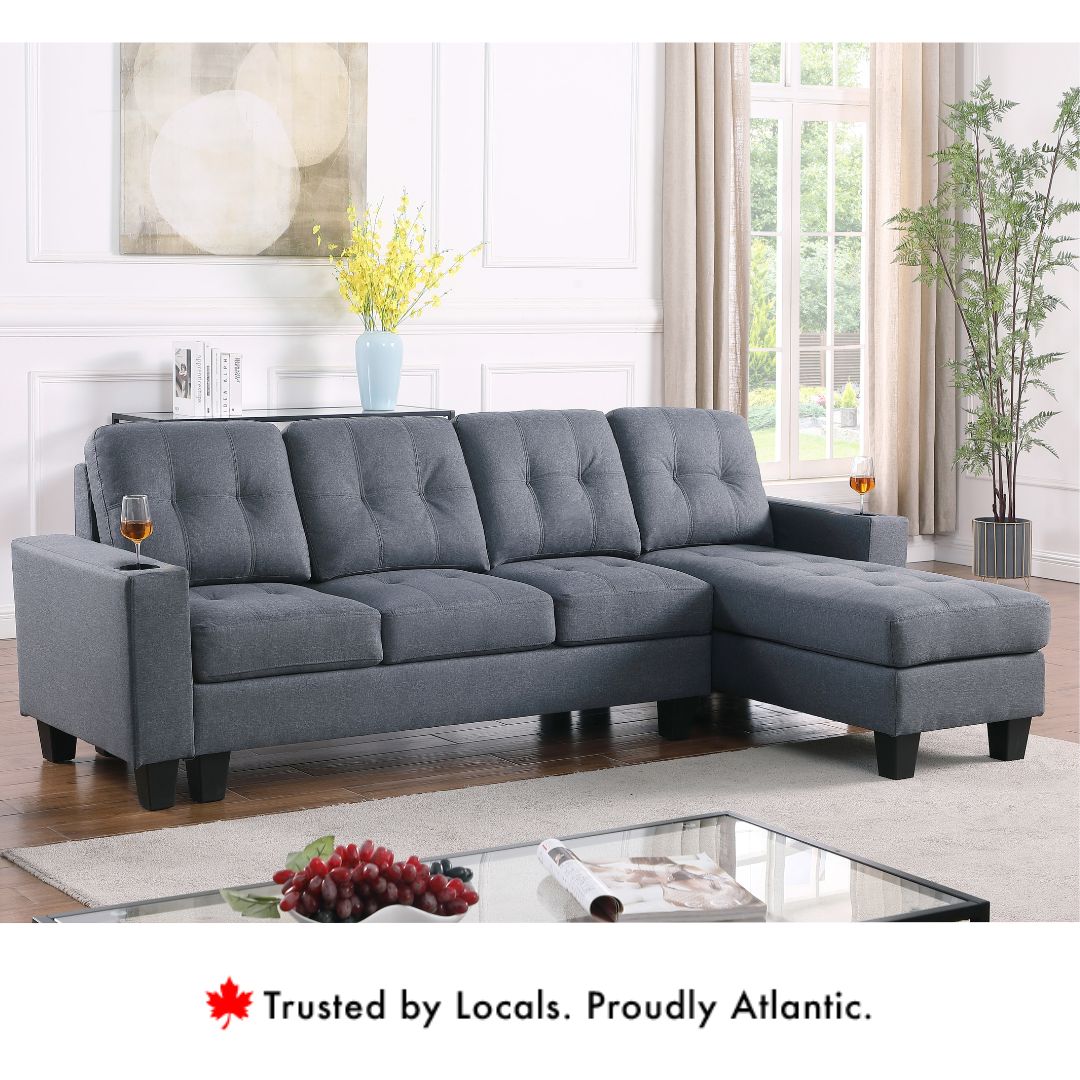
Sofa Durability in High-Traffic Homes
In many households, the sofa is the most frequently used piece of furniture. In high-traffic homes, it supports daily sitting, lounging, and constant movement. For families and shared households in Halifax and across Nova Scotia, understanding how sofas hold up under regular use helps set realistic expectations and supports better long-term decisions.
Durability is not about avoiding wear entirely. It is about understanding how and where wear develops over time.
What High-Traffic Use Really Means
A high-traffic sofa is one that sees frequent daily use, often by multiple people. This includes households with children, pets, frequent guests, or long daily sitting periods.
High-traffic use involves:
-
Repeated sitting and standing
-
Shifting positions throughout the day
-
Consistent use of the same seating areas
-
Increased pressure on cushions and frames
This type of use accelerates normal wear compared to occasional seating.
How Sofas Respond to Everyday Stress
Sofas are built to handle regular use, but constant stress affects different components in different ways.
Over time, you may notice:
-
Cushions softening where people sit most often
-
Fabric showing light wear or texture changes
-
Slight frame movement during repositioning
-
Arms and edges showing signs of frequent contact
These changes develop gradually and reflect everyday use rather than structural failure.
Cushion Wear in High-Use Areas
Cushions experience the most noticeable changes in high-traffic homes. Areas used repeatedly will soften faster than unused sections.
Common cushion changes include:
-
Reduced firmness in primary seating spots
-
Slower shape recovery
-
Increased need to rotate cushions
These changes are normal and expected, especially when seating is used daily for extended periods.
Frame and Support Considerations
While cushions show wear first, frames and support systems also experience stress over time. Movement, shifting weight, and sitting on edges place repeated strain on joints and support components.
Minor noises or subtle movement can develop gradually and often reflect normal use rather than damage.
Lifestyle and Household Factors
Sofa durability is influenced by how a household uses furniture.
Factors that affect wear include:
-
Number of daily users
-
Length of sitting sessions
-
Presence of pets
-
Whether cushions are rotated regularly
Homes in Halifax and Nova Scotia often see heavier indoor use during colder months, which can accelerate visible comfort changes.
Setting Realistic Expectations for Durability
No sofa remains unchanged in a high-traffic home. Durability means the sofa continues to function safely and comfortably while showing reasonable signs of use.
Understanding normal wear helps homeowners recognize the difference between expected changes and genuine issues.
Conclusion: Durability Is About Consistent Performance
Sofa durability in high-traffic homes is measured by how well furniture handles everyday life, not by avoiding wear altogether. Cushions will soften, fabrics will age, and comfort will adjust with use.
By understanding how sofas respond to daily stress, homeowners can make informed choices, maintain realistic expectations, and enjoy furniture that fits their lifestyle over time.
Store Information
Furniture Spot & Mattress Outlet
3606 Strawberry Hill St, Halifax, NS B3L 3B4
(902) 406-3939