




Closing the Cottage: Protecting Mattresses and Furniture
Before closing a Nova Scotia cottage, clean and dry mattresses and furniture, remove food and nesting material, inspect for water entry and use breathable or purpose-designed protection. Do not seal a damp mattress in ordinary plastic; follow the protector and furniture manufacturers’ storage instructions for the unheated building.
What winter does to an empty cottage
An unoccupied cottage can experience long periods of dampness, freezing temperatures and unnoticed leaks. Mice and other pests look for food, fabric and sheltered nesting spaces.
Cold alone is not the only issue. Repeated temperature changes can create condensation when humid air meets cold surfaces, particularly where airflow is poor.
Repair roof, plumbing or foundation concerns before protecting furniture. A cover cannot compensate for an active leak or standing water.
For persistent moisture or pests, speak with qualified building and pest-control professionals. This checklist is general seasonal care, not a guarantee against damage.
Prepare the mattresses
Strip all bedding and wash it before storing in sealed, labelled containers appropriate for the cottage conditions. Inspect the mattress seams, underside and support for dampness or signs of pests.
Ordinary plastic wrapped tightly around a damp mattress can trap moisture. Do not publish a universal instruction to stand every mattress upright; some constructions can bend or sag in long-term vertical storage.
Mattress Protectors and Bed Bugs in Halifax Rentals explains everyday encasements, though cottage storage adds moisture and pest considerations.
Upholstered furniture and wood
Vacuum upholstery, remove crumbs and follow its cleaning code well before closing day so the piece is fully dry. Keep cushions in the position recommended by the manufacturer and avoid wrapping damp fabric.
Move furniture away from exterior walls where practical and preserve airflow without blocking required exits or equipment. Place nothing directly beneath a known leak or condensation point.
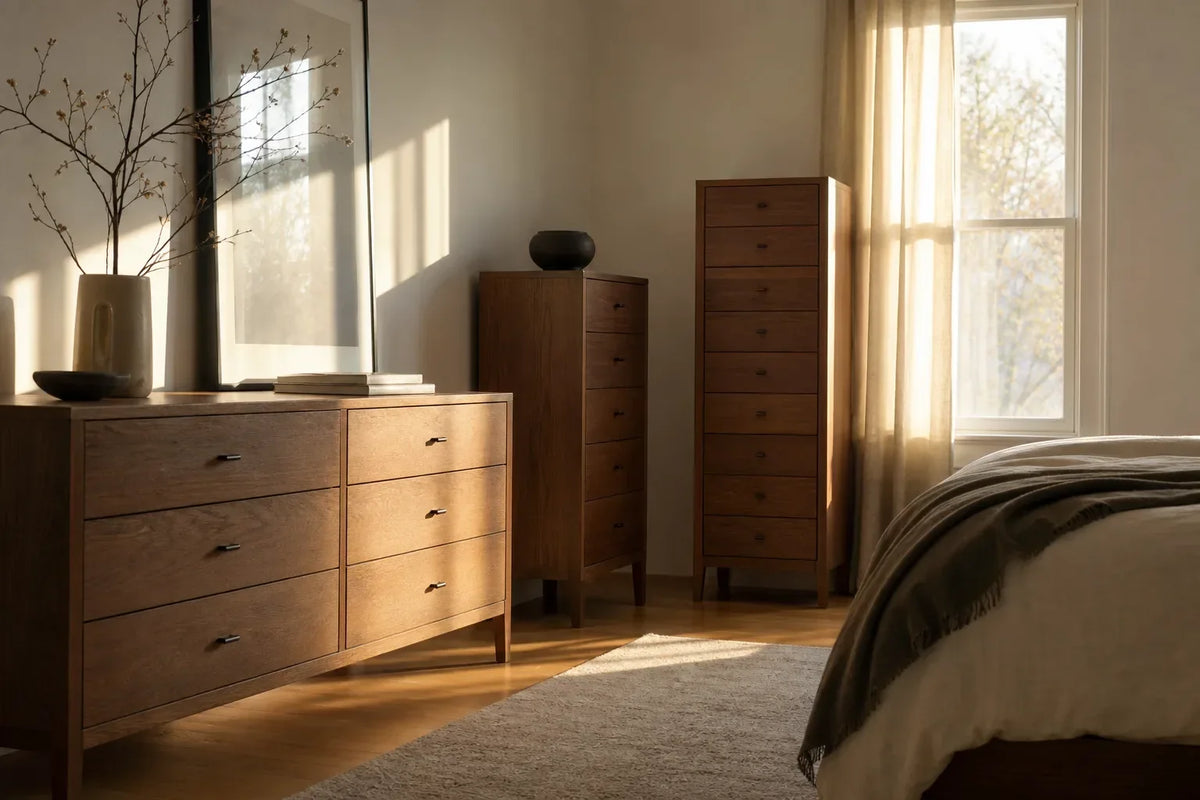
Clean wood gently with approved products and leave drawers or doors as the manufacturer recommends. Do not apply a new oil, wax or household treatment immediately before storage unless the product care instructions call for it.
Coastal Humidity and Solid Wood Furniture covers wood movement and indoor conditions in more detail.
Reduce pest attraction
Remove food, garbage, candles, soap and other materials identified by a pest professional as attractants. Clean under sofas, inside drawers and around bed frames.
Inspect the building exterior and ask a qualified pest-control professional about exclusion. Do not use poisons, traps or repellents based on furniture-store advice.
An encasement may reduce access to a mattress surface, but it does not pest-proof the cottage. Check seams, zipper closure and any damage before use.
Store linens and small cushions in suitable containers only when completely dry. Label them so spring inspection can happen before the items return to beds or seating.
Opening the cottage in spring
Air and inspect the building before unpacking. Look for water entry, droppings, gnawing, staining, musty odour and visible growth without disturbing suspected contamination.
Follow official or professional guidance for mould, pest waste or flood damage. Anyone with health concerns should speak with a qualified health professional.
Remove mattress protection carefully and inspect all sides, seams and the support beneath. Do not put bedding on until the mattress and room are confirmed clean and dry.
Check furniture joints, legs, fasteners and drawers before normal use. A winter leak or floor movement can affect stability even when upholstery looks unchanged.
Choose simple cottage beds
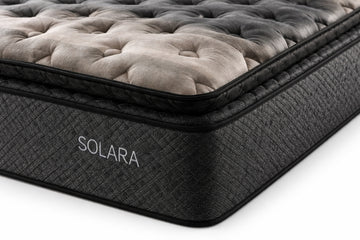
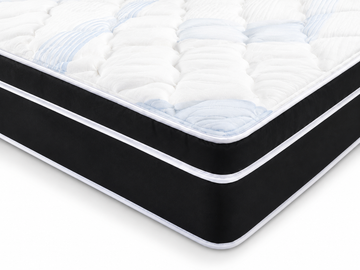
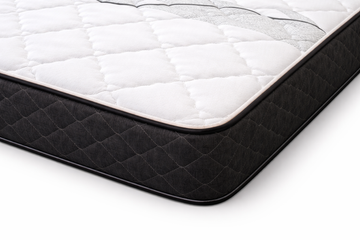
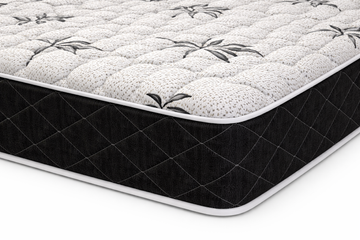
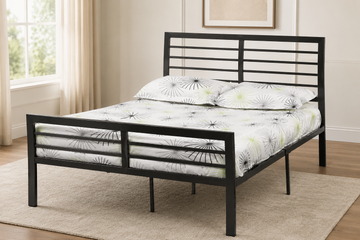
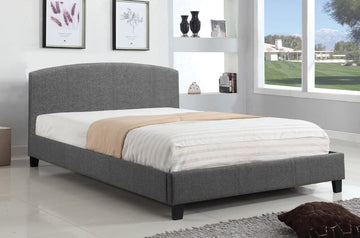
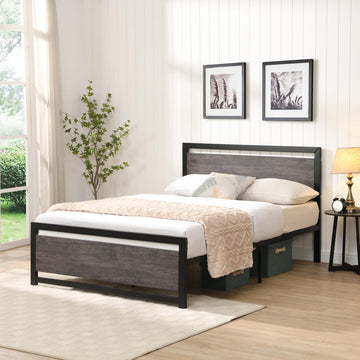
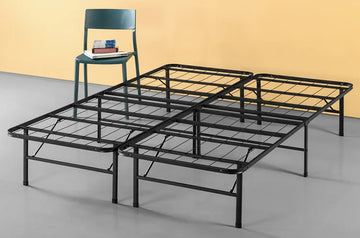
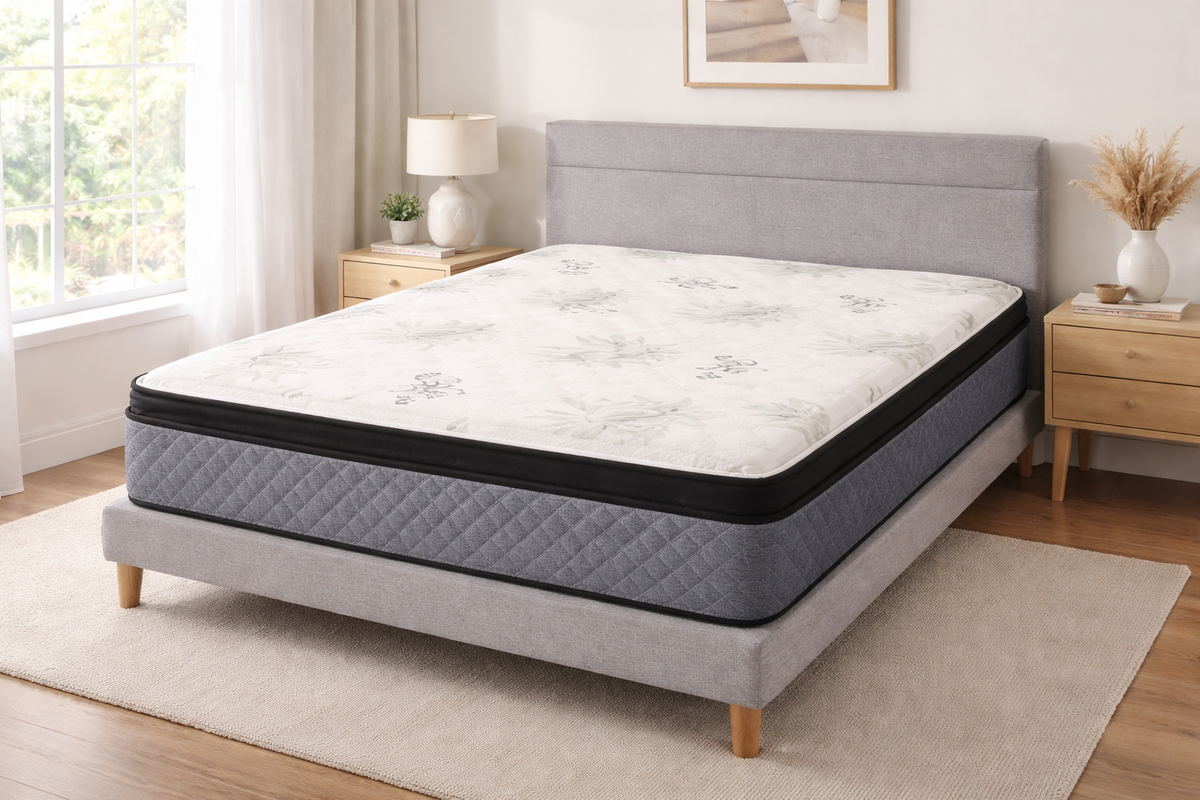
Metal frames can be easy to inspect and leave space below the mattress, while a straightforward mattress can simplify seasonal care. Neither is immune to moisture, pests or improper storage.
Confirm the mattress’s base, temperature and storage requirements before purchase. Avoid bringing an expensive or complex product into a cottage whose winter conditions are unknown.
Measure access and keep replacement parts simple. A frame that disassembles can be useful in a small cottage, provided it is reassembled according to instructions.
Cottage closing checklist
- Repair known leaks and water-entry points
- Remove food and nesting material
- Clean and fully dry bedding and upholstery
- Inspect mattress seams and underside
- Follow the mattress’s approved storage position
- Use only suitable, dry protection
- Keep furniture away from known damp areas
- Obtain professional pest advice where needed
- Plan a careful spring inspection
FAQ
How should I protect a mattress in a cottage over winter?
Clean and dry it, use protection suitable for storage and follow the manufacturer’s position and temperature instructions. Do not seal in moisture.
Should I stand a cottage mattress upright?
Only if the manufacturer permits long-term vertical storage. Some mattresses can bend or settle when left on edge.
Will a mattress encasement keep mice out?
It may protect the surface, but it cannot pest-proof a building. Use professional exclusion and remove attractants.
What should I check when opening the cottage?
Inspect for leaks, moisture, pests, odour and furniture instability before unpacking or using the bed. Seek professional help for contamination.