










After a Basement Flood: Which Furniture Can Be Saved?
After basement flooding, keep people out of unsafe water, photograph the damage when it is safe, and follow public-health guidance before handling mattresses or upholstered furniture. Porous items exposed to contaminated flood water may need disposal, while some hard non-porous pieces may be assessed and cleaned by qualified professionals.
The first 48 hours
Do not enter a flooded area with electrical, structural, sewage or contamination hazards. Contact emergency services, the utility, property owner or qualified restoration professionals as the situation requires.
When authorities or professionals say entry is safe, photograph wide views and individual items before moving them. Capture water lines, model tags, serial numbers and visible damage without disturbing contaminated material unnecessarily.
Wear protective equipment specified by official guidance. Children, pets and anyone with health concerns should stay away from the affected area and seek professional advice.
Wet mattresses and upholstered furniture
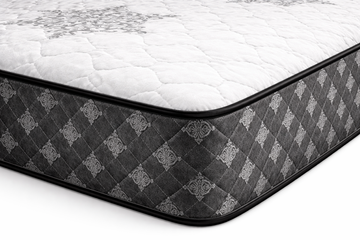
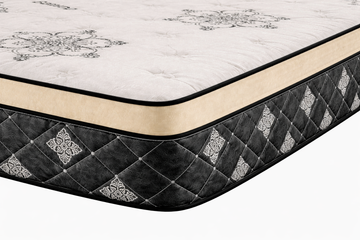
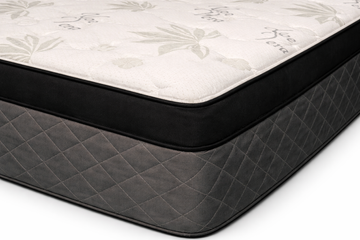
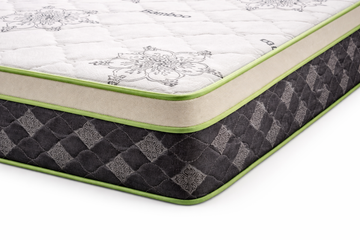
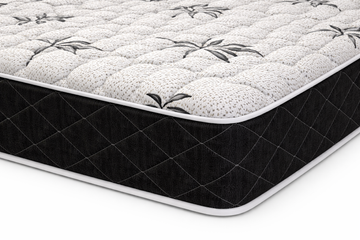
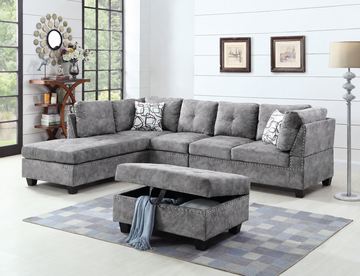
Mattresses, sofa cushions and upholstered frames are porous and can hold water and contaminants deep inside. Surface drying does not prove that the interior is clean or safe.
Follow the official guidance for the water source and exposure. Do not publish a home-cleaning recipe or promise that a wet mattress can be rescued.
If a professional recommends disposal, document the item before removal and ask the municipality or restoration provider about the proper route. Mattress Disposal and Recycling in Halifax may help with ordinary disposal, but flood-contaminated material can have different requirements.
Mattress on the Floor in a Basement: Is Mould a Risk? covers slow moisture accumulation; a flood can involve additional contamination and urgency.
Solid wood, metal and laminate
Some hard-surface furniture may be assessed for cleaning and drying, depending on finish, joints, swelling, contamination and time wet. A qualified restoration professional should decide the method.
Solid wood can swell, split or distort. Veneer and laminate may delaminate, while particleboard can lose strength after absorbing water.
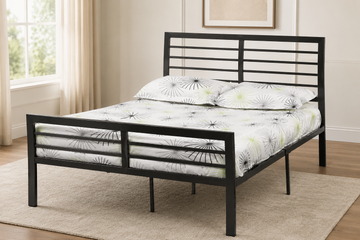
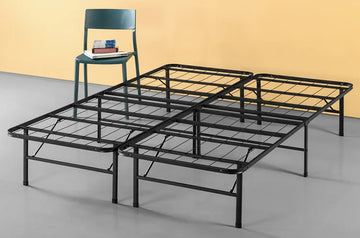
Metal frames may be easier to clean when the finish remains intact, but enclosed tubes, joints and rust need inspection. Do not assume “metal” means undamaged.
Coastal Humidity and Solid Wood Furniture addresses normal seasonal moisture, not contaminated flood cleanup.
Documenting the loss
Take photographs before discarding anything when it is safe to do so. Save receipts, order emails, product labels and any pre-flood photos that show condition.
Create an inventory with item name, brand, model, purchase date, original price and observed damage. Keep professional cleanup invoices and disposal records.
This is general documentation information, not insurance or legal advice. Ask the insurer or a qualified professional before taking an action that may affect the claim.
Replacing furniture more thoughtfully
Do not bring replacement furniture into a basement until the water source is corrected and qualified professionals say the space is ready. New products can be damaged by the same unresolved condition.
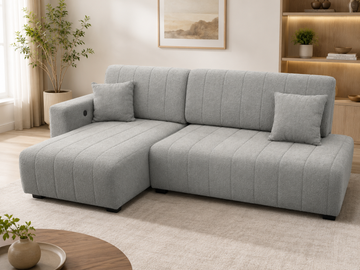
Legged furniture can make the floor easier to inspect and may keep ordinary minor surface moisture away from upholstery, but it does not protect against a flood. Metal frames may tolerate some environments differently from engineered wood, yet no material is flood-proof.
Keep model labels and photograph new items after setup. Store digital receipts outside the basement and maintain an updated household inventory.
For valuable or irreplaceable pieces, ask a furniture conservator whether professional recovery is appropriate. Do not experiment with heat, bleach or household cleaners on an item without authoritative guidance.
Flood documentation checklist
- Wait for authorities or professionals to confirm safe entry
- Follow official protective-equipment guidance
- Photograph rooms, water lines and individual items
- Capture labels, model numbers and serial numbers
- Save receipts and pre-flood photographs
- Record the source and duration of water where known
- Ask professionals before cleaning porous items
- Confirm disposal requirements
- Contact the insurer for claim instructions
- Correct the moisture source before replacement
Keep the replacement stage separate from the cleanup stage. Measure the cleared room only after damaged material and drying equipment are gone. Review the delivery route because restoration work can change doors, trim or flooring. A simple first replacement, such as a metal bed frame or compact seating, gives you time to watch the basement through another period of rain before committing to a full room of furniture.
When the room is ready, keep new receipts and model labels in cloud storage or another location outside the basement. Photograph the finished setup from several angles. That record makes routine maintenance easier and gives the household a clear starting point if another water problem appears later.
FAQ
Can a wet mattress be saved after a flood?
Do not decide from appearance alone. Follow current public-health guidance and ask a qualified restoration professional, especially when water may be contaminated.
Can you save furniture after a basement flood?
Some hard-surface pieces may be recoverable after professional assessment. Porous materials, swelling, contamination and time wet affect the decision.
Should I photograph flooded furniture before moving it?
Yes, when the area is safe to enter. Take wide and detailed images and follow the insurer’s documentation instructions.
Is metal furniture safe after flooding?
It still needs inspection for contamination, trapped water, finish damage and rust. Material type alone does not prove safe reuse.